Murder Babes: The Other Side of the Final Girl
You already know the final girl, but may we introduce you to her bloodier counterpart, the murder babe?
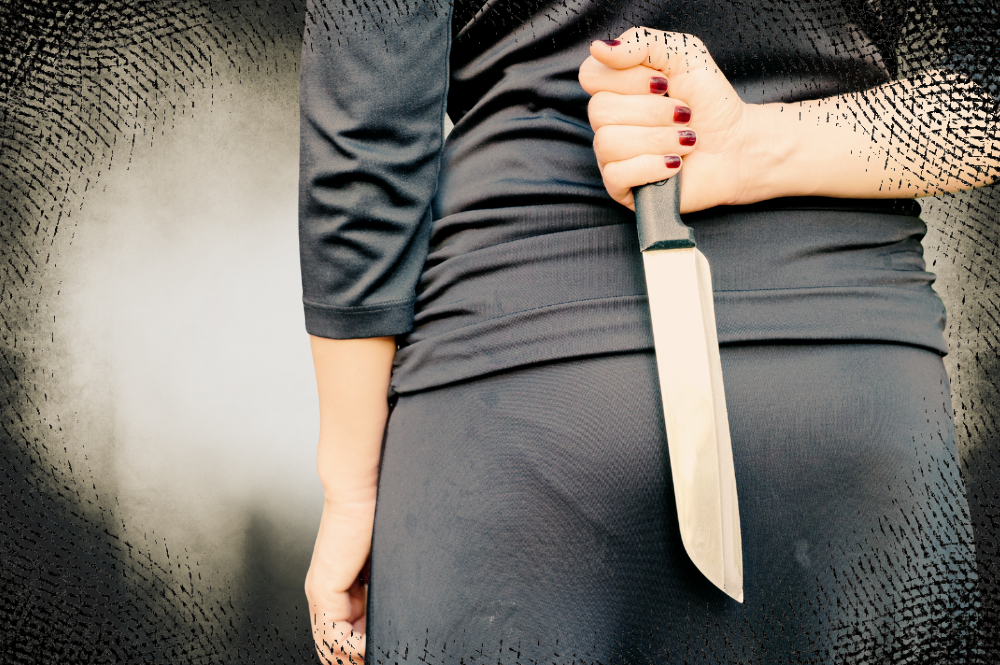
In the landscape of horror, women occupy many roles, but none quite as famous as the final girl. The one to outlast them all. Dating back to 1974 and coined by Carol J. Clover in her 1992 book Men, Women, and Chainsaws, the archetype of the final girl signifies the untarnished light that is innocence. But what about the flip side to the final girl? I’m talking about the women in horror films that live for the slice of blade through skin and air.
I call these women “murder babes”: women who revel in and excel at the art of murder and mayhem. Murder babes work and live in the darkness. They have made it their home, usually because there is no other place that accepts them for who they are. When I first wrote about this murder babe archetype back in 2021 for the Tor Nightfire blog (RIP) under the title ‘Does She Make You Scream?’, it was a primer, an idea born of my love of watching women serve up absolute mayhem and destruction in stories. It sparked conversation around other types of characters in horror where a woman turned to darkness (Roberta Warren in Z Nation) or lived in darkness (Shori in Fledgling by Octavia Butler).
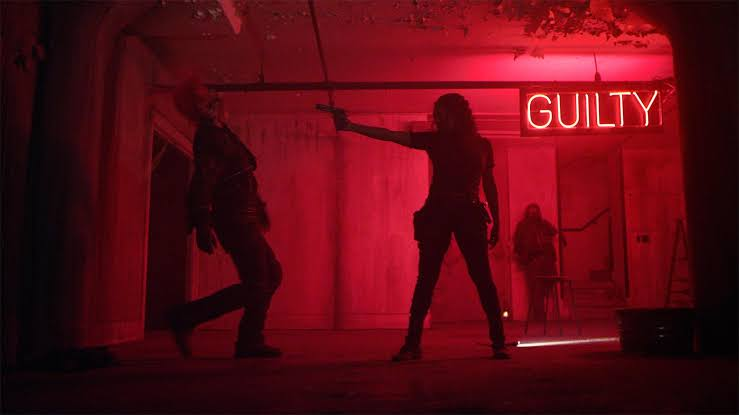
It also begged for further definition and explanation of what a murder babe is and why they are a necessary part of the conversation around gender in horror.
Who’s Afraid of the Murder Babe?
Feminist horror is a subgenre that examines themes related to gender, sexuality, or the feminine experience. It touches many works of horror, but still falls far behind the volume of horror stories that focus on men. Many horror stories rest on the backs of terrible men doing terrible things, often to women. Or terrible women doing terrible things to men who really didn’t deserve it, if you just don’t think about their actions. But feminist horror dares us to break that pattern and routine in order to think about what it means to be a woman or a woman-coded person on the underside of that man of horror.
At the heart of it, a murder babe is someone who revels in the chaotic nature that is feminine energy through slaughter, mayhem, and vengeance. Some basic parameters I’ve noticed around murder babes and their storylines is that often murder babes aren’t just cis women, either. There are trans and nonbinary and bi-gender murder babes (my newest favorite addition to the roster of murder babes is Little Death in Teenage Sex and Death at Camp Miasma). They often have a backstory featuring a lot of violence, either committed by them, by others around them, or against them. The strongest determinant that distinguishes a murder babe is the moral code she lives by. She doesn’t just kill for fun, but often has a reason––think of Angela Baker in the Sleepaway Camp sequels, who is determined to weed out the bad from the good by killing those who aren’t happy, good campers.
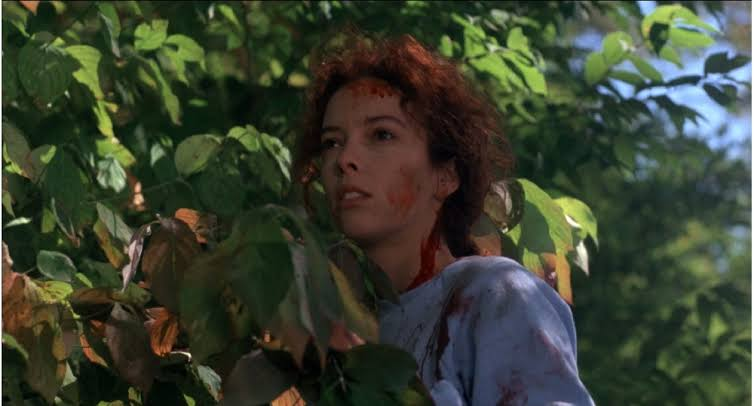
Unlike final girls, who make a point of being good, of rejecting the evil in light of all the death and pain that it brings, murder babes aren’t bound by the borders between good or bad or evil. There is only devotion, commitment, and the values they hold dear.
Murder babes are multifaceted characters who can be both good and evil and everything in the grey in-between. Buffy Summers from Buffy the Vampire Slayer is one example of a “good” murder babe. She is, by definition, a killer, someone who must exist in the dark and technically has darkness embedded inside her genetic makeup, because that’s the way slayer magic works. But Buffy isn’t evil—slayers aren’t evil, most of them at least. Not in the Machiavellian sense where there is a murky evil down there and a great goodness up here. But compare her to another murder babe, The Butcher from American Horror Story, someone who, like Buffy, believes herself a champion, yet they are polar opposites. While both The Butcher and Buffy are both all for protecting people, The Butcher is the only one among them that feels pleasure and power in her killing. She is the only one who has spilled innocent blood without feeling remorse. Though both walk the path of blood, only one can be considered good in the commonly understood sense.
Another marker of the murder babe archetype is her storyline. While the final girl is on a journey from innocence to embodiment or empowerment, murder babes are on the same type of journey–except it's not innocence they are leaving behind. Their storylines often have them moving away from the societal idea that they should have ever been or were ever innocent.
What even is innocence?, the murder babe asks us. Murder babes leave behind the shackles of a world that believes they should start out innocent in favor of total absolute ungovernable behavior. They cross the ultimate social taboo and begin killing for–gasp–their own pleasure, desires, and internal moral compass.
Help support Darker Times–become a paid subscriber today!
The Chilling Adventures of Sabrina’s Prudence Blackwood, for example, is a worker of the dark arts and lover of all things Satanic and wicked. She doesn’t let that ever get in the way of her commitment to her craft. She never chooses the evil act because it is simply evil but because it feeds into the things that she values: her dark lord, her sisters, and her craft.
Like Prudence Blackwood, Nancy Downs of The Craft swears her allegiance to her sisters and her lord. However, Downs shows the at times conflicted nature of a murder babe, of someone who lets the dark abyss in to love her. Yes, she stands up for her coven, pays dues to Manon, but she eventually stops doing it for love of the craft and instead chases power, to her destruction. Though she uses her powers throughout the movie to help her coven, she also uses it to harm and control them. Unfortunately, not every murder babe can walk the blood-soaked line between destroying and destruction without being consumed.
As I’ve been studying and watching horror, I’ve noticed that the difference between a murder babe that goes full evil and one that retains some of her humanity comes down to their closest friends and support system and how they reflect the character back at themselves. Buffy is able to stay good because she has the Scooby Gang. Warren doesn’t go off the full deep end because she has Addy and Doc there to remind her that her mission is to save humanity. Prudence stays rooted in her magic because her sisters, her crew are strong and need her. The murder babes that break bad and break bones often have a toxic network of friends and a support system that expects them to fail. The paths and storylines of Buffy and Faith from the Buffy the Vampire Slayer TV show show this point clearly.
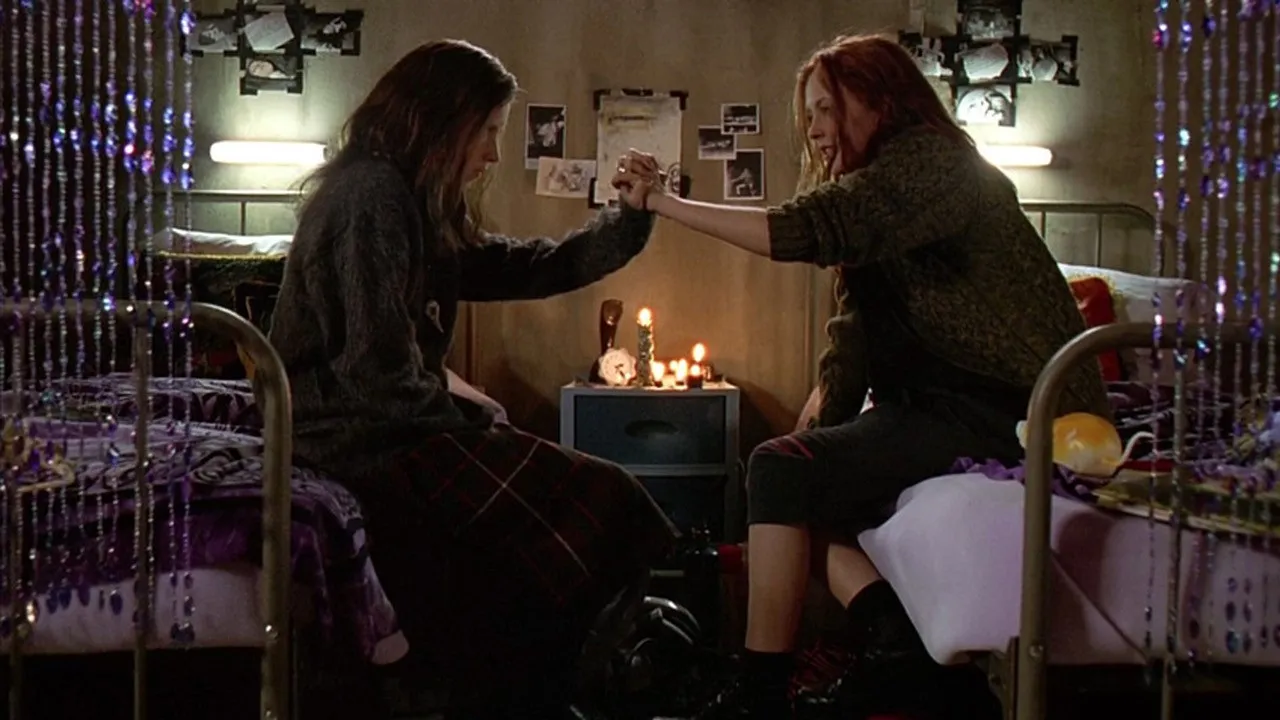
Another great illustration of the murder babe is in Ginger and Brigitte Fitzgerald from the Ginger Snaps movies. I saw the first movie when I was 11, and Ginger was the first murder babe I remember ever meeting on the small fat screen in my family room. I’d seen final girls and thought, awesome, yeah, girls kick ass and rock and are all good and gravy. Then the Fitzgerald sisters showed me that no, good and bad aren’t opposing forces but closely related.
Ginger Snaps illustrated that the old tropes of what women can be in life and in horror are dying, being killed, and being buried in the backyard. While Ginger is a typical murder babe, her sister Brigitte is a true final girl. She is the one who fights and stays vigilant against the encroaching darkness throughout the first movie until she is forced to stand against her werewolf sister. At the end of the first movie, Brigitte melds her blood with Ginger’s tainted blood, marking their forever bond. The movie’s message and metaphor stretches deeper as the series goes on, and Brigitte’s werewolf transformation turns her into a murder babe under the control of another murder babe. There is no stopping change, transformation, the dying of the old to make way for the new.
I love a murder babe in a story because they often show me another side of my own gender and help me explore feelings about how I express myself and show up in the world. They also remind me that women in horror don’t have to be good or evil or champions or anything other than characters trying their darnedest to survive in a world gone sick with blood, even if that means spilling a little or a lot for themselves, their loves, and what they believe in.
Comments ()