
Is It Horror or Is It Trauma Porn?
While a lot of people think that trauma porn is subjective, it isn’t.
We partner with Bookshop for all our book links. Any purchase you make through our links help support Darker Times.
Content note: mentions of on-screen sexual assault and rape
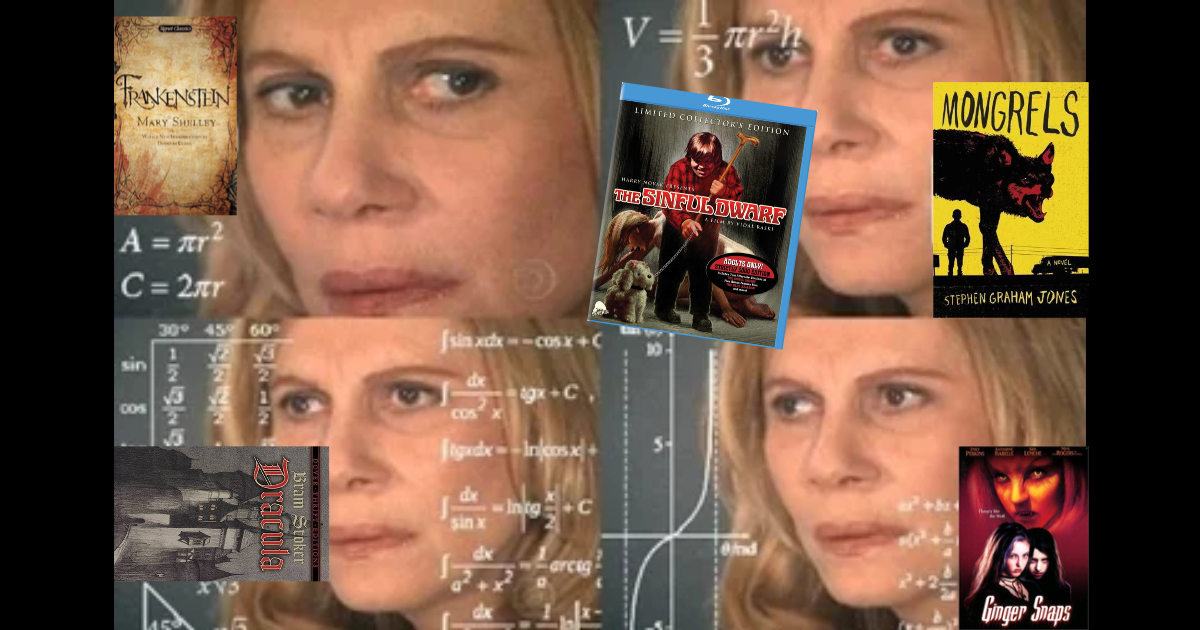
One night many years ago, I went to a local theater’s all night horror movie marathon, All Freakin’ Night. They host one every year and most of the movies are usually great picks. That year, the movies were F-list horror movies dug out of some closet, mausoleum, or grave. One was called The Sinful Dwarf about a person with dwarfism drugging, kidnapping, and raping women. The 95-minute Danish horror movie, released in 1973, was primarily a movie of prolonged rapes and sexual assaults. This movie was the third played that night and started a little after 3 AM. For the first and only time all night, the audience reacted in horror to what was on the screen.
A few people stood up and left. Maybe they just went out for a smoke or to the bathroom, I don’t know, because I was too focused on the two beside me to pay attention if the people who left ever came back. A few seats down from me, a pair sat huddled together. One of the pair responded to each rape as though someone was hitting them, continually beating them over the course of the movie until by the end they were bent in their chair holding themselves while their friend/partner/kind stranger used their own body as a shield, blocking out the large movie screen and wrapping their arms around the person, holding on until the end of the movie.
This is trauma porn: Horror that relies on continuous depictions of traumatic events to horrify the viewer or reader. I do want to make a distinction as well between trauma porn (gratuitous depictions of trauma meant to upset) and trauma plot (narrative structure meant to showcase the journey with trauma). While a lot of people think that trauma porn is subjective, it isn’t. Just because something traumatizes you but not me does not stop that piece of work from being traumatic. Trauma porn, no matter who is viewing, does nothing but soak the audience/reader in violent assaults, gore, and whatever disturbing images the creators can muster for the sole intention of causing harm and shock for no other reason than to put the audience in a state of disturbance.

Help support Darker Times–become a paid subscriber today!
One sticking point in trauma porn is the word “trauma,” which is subjective. Trauma is an impactful and psychologically warping event that can happen to an individual or a large population, creating a mental fracturing or shattering that has impacts on a person’s psyche, body, and ability to deal with the world or cope in normal ways. The subjective nature of trauma isn’t in its definition but in its experience. For example, a teenager hitting their thumb with a hammer while repairing a windowpane that fell off during a storm may not be considered traumatic. But if that teenager hit their thumb with a hammer because last night’s storm kept them up all night anxious and fearful, so they hit their thumb purposely because the pain of a sore or broken thumb seems better than the mental anguish of not knowing when another storm is going to come or what it’ll bring, that would be trauma.
People who have never dipped their toes in the full blood bath of horror (or only waded in up to their quaking knees) might think that trauma is horror and the whole point of horror is to traumatize, scare. But that is not all of horror or what horror at its historical core is about.
Horror has always been a reflection of the traumatic world that we all live in by transposing real traumas on supernatural elements that express a traumatic experience in the real world—think the fear of expansion and dangers of colonialism evident in Bram Stoker’s Dracula and the dangers of science in Mary Shelley’s Frankenstein, both of which are foundational to the start of the horror genre.
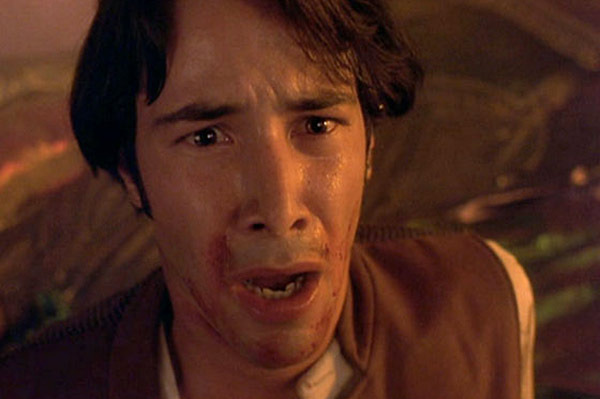
Oftentimes in United States/American horror stories, that traumatic experience is conquered through destruction and vanquishing of some evil force that is a stand in for abuse, racism, injustice, like in Dracula and Frankenstein, but in other cultures, horror has no easy resolution or vanquishing point because trauma, the experience and its legacy, cannot be vanquished (see the Filipino horror movie The Road). It is a second shadow forever attached and only healed through internal integration and acceptance, not defeat, because you can’t defeat something from the past that has already happened. While studying Indigenous, Latin, and Black horror the reason I think other cultures don’t take this destruction path with trauma is due to the fact that these cultures have already experienced an apocalypse and are living in a post apocalyptic world.
There is no way to fully recreate the experience of trauma and living with it, but horror tries and succeeds in many ways to traumatize viewers and readers. While horror has that power, it also has the power to allow people to process their traumas in a safe environment. When I was a kid, I had recurring nightmares of a werewolf chasing me. Each time I had the nightmare, the werewolf caught me. Just as it was about to rip my throat or guts out, I woke up. It was a dream that I couldn’t control or overpower. I’d run and run and run, but the werewolf always caught me. The fear I felt would often lead me to staying awake all night for fear that I’d have the dream. In high school, I took a psychology class and learned about dream symbolism. Not only was the werewolf real, but my fear and anxiety around the dream were real. The nightmare was my brain’s way of working through understanding something that didn’t make sense to me.
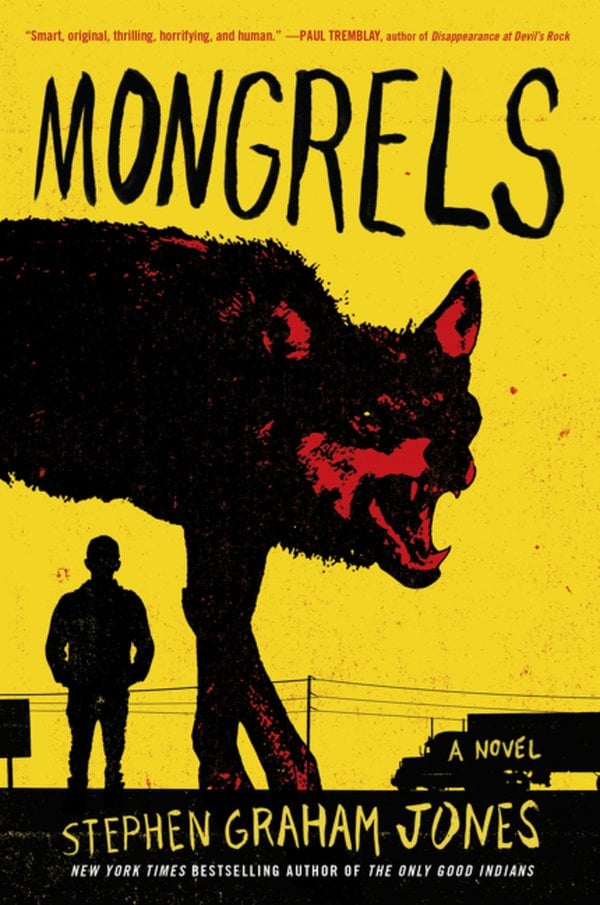
Horror holds a special place in my heart. Probably the same special place that the people who stuck through The Sinful Dwarf even though it was painful to watch. Throughout my life, horror movies and books from Mongrels by Stephen Graham Jones to Ginger Snaps (2000) to Beloved by Toni Morrison and The Last House on Needless Street by Catriona Ward have had major impacts on my life. Each of these stories showed me a way of telling a hard story in a wild, imaginative way that didn’t lose or hide the truth.
 Stephen Graham Jones
As a writer of horror, I want to know how to tell hard stories better. How to reach readers better, and how not to hurt them or retraumatize them. I’ve found that if a writer wants to embark on the journey of writing a horror story with lots of traumatic and sensitive material they should really learn how to use trauma-informed writing. Trauma-informed writing understands that on the other side of a story is a reader who can get retraumatized by the stories we tell. This type of writing says that it’s our responsibility as authors to care about our readers, even if we’ll never meet them.

Comments ()