Hatchet Job: Other Mommy (2026)
Other Mommy, the film adaptation of Josh Malerman’s Incidents Around the House, Glitters But Isn’t Gold
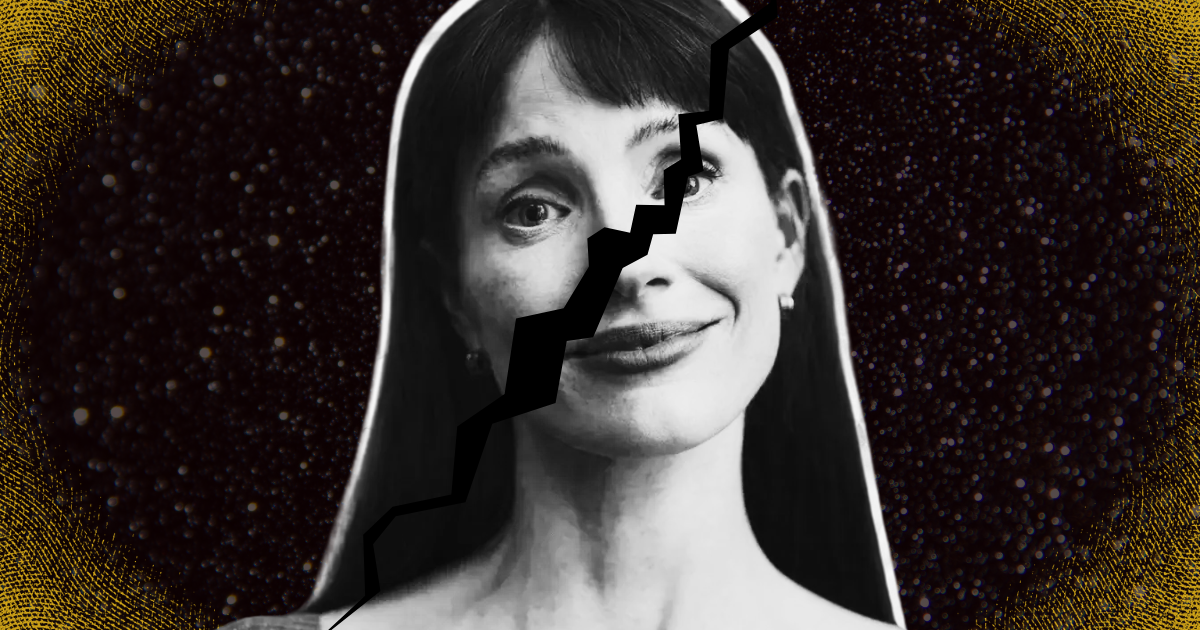
Welcome to Hatchet Job, an ongoing series examining the art we really didn’t vibe with. In this edition, Anna unpacks where Rob Savage’s Other Mommy partially succeeds but mostly fails. As always, read with caution: spoilers lie ahead for both the movie and Josh Malerman’s Incidents Around the House.
We partner with Bookshop for all our book links. Any purchase you make through our links help support Darker Times.
Making the jump from page to screen is not an easy feat. Interiority, subtext, formatting, and style as written words do not always have a visual equivalent, which is why some stories are better suited for the page rather than the screen. In the case of Other Mommy directed by Rob Savage, some things just make more sense when left to the imagination.
Incidents Around the House by Josh Malerman tells the story of Bela, a child who is persistently pursued by Other Mommy, a mysterious entity that lives in her closet and asks to go inside Bela’s heart. Freaky, right? But the thing that made Incidents work (for me anyway, as discussed in depth here with our Let Them Fight piece) is that the adults can see her, fear her, and do not know how to stop her within the confines of a reality we all recognize. There are rules adhered to, solutions that do not work, and an overall hopelessness that is downright chilling. Other Mommy moves strangely, but doesn’t have a cosmic feel to her presence. She reads kind of like a really messed up Michael Meyers intent on possessing this kid’s heart.
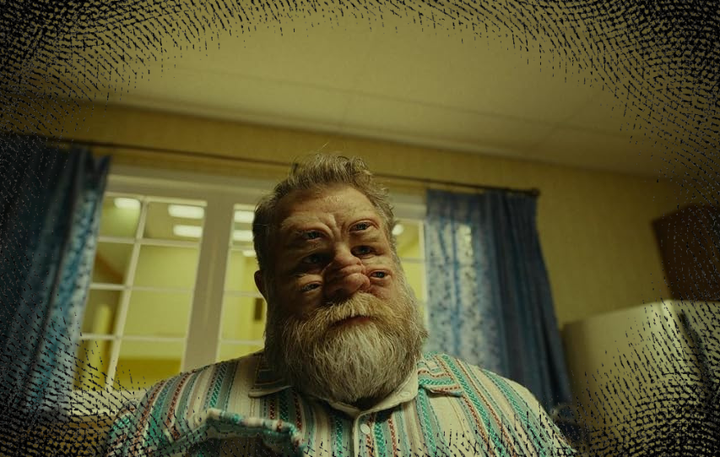
The novel is written from Bela’s perspective, which is a huge part of why it works so well for me. We see Other Mommy through Bela’s eyes, with no clear physical description other than she’s hairy and her face is wrong. Through Bela’s perspective, we also feel the utter despair of learning adults don’t always know the answer to everything, can make grave mistakes, and can sometimes break our hearts. That’s where the terror of Incidents reigns supreme – as adult readers, we have the wisdom to see the very terrible writing on the wall regarding Bela’s fate. The blanks we get to fill in that Bela’s limited understanding and vocabulary cannot provide. Malerman ultimately pulls no punches with the conclusion of the book, where Bela accepts Other Mommy into her heart in a very, very bleak scene.
 Josh Malerman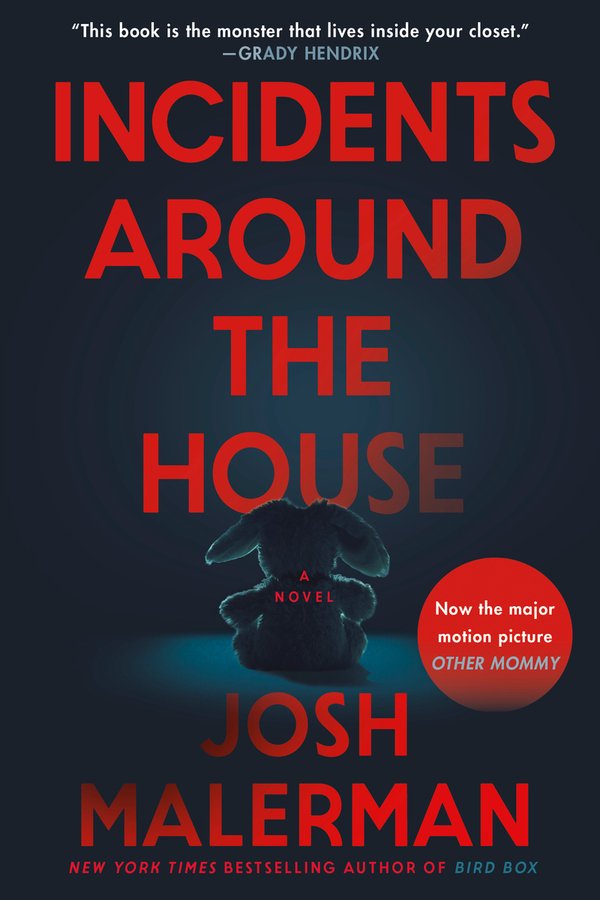
For the above reasons, I feel like Incidents works as a truly horrific story. Coming-of-age narratives tend to have a poignant, rose-colored tint to them in which we can look at the transition from youth to maturity with a sense of nostalgia. Wasn’t childhood so great? So cozy? How sweet it was to fall asleep in the back of a car and have your parents carry you to bed? To overhear their adult conversations, to snuggle into the limited reality you barely understood?
In truth, Malerman delivers a much more devastating iteration of this coming-of-age trope where things are actually pretty terrible when you look around. Love doesn’t look the way you thought it did. Relationships are much more complicated, and adults can have secrets too. Worst of all, the logical solutions for problems we rely upon don’t always work. These things are devastating to learn, as proven by Bela’s journey in Incidents Around the House. And partially in Other Mommy.