Hatchet Job: How Do You Solve a Problem Like Eleven?
How Stranger Things failed its breakout character.
Welcome! You’ve come to Darker Times during a strange and special time: 💫 the Darker Times Subscriber Drive 💫. We’re trying to hit 500 paid subscribers by August 14th or else we will all be hunted down and skinned alive in our beds. Ha! We kid. But not really. To keep Darker Times running, we need money—hot, wet, bloody money—to keep the lights on and the words flowing. If you like this post or even if you hate it, consider subscribing in exchange for great, funny, analytical horror coverage.
Welcome to Hatchet Job, an ongoing series examining the art we really, really didn’t like. In this inaugural edition, Emily is still mad about Stranger Things and the void where its main character should’ve been.
In December 2025, I watched the entirety of Stranger Things. All of it. Every episode. I did not, uh, care for it. I found it to be a muddled, shallow mess, redeemed only by a couple charming performances and the occasional invigorating setpiece. In the months since the finale aired, some of my ire has faded, but not all. And I have to tell you, I’m still pretty pissed about Eleven.
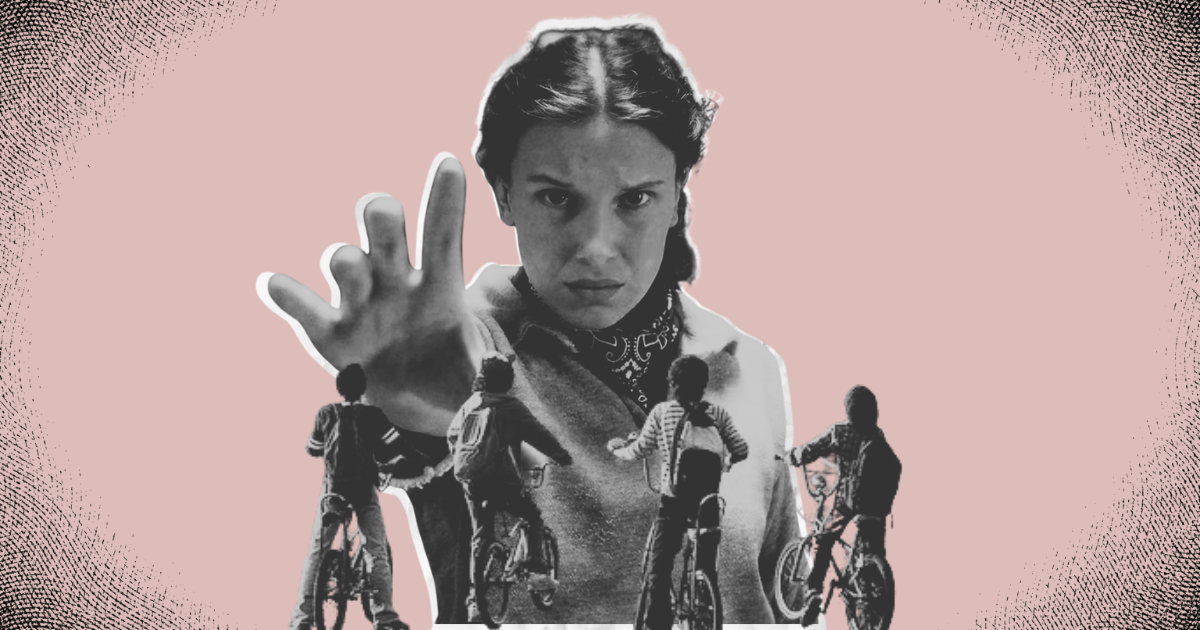
I don’t think Stranger Things ever got its arms around what to do with Eleven (Millie Bobby Brown). I’d go so far as to say that she never actually got to be a fully realized character — she’s more of a walking, talking MacGuffin. A plot device with dialogue. A loot crate with trauma. The character of Eleven is a microcosm of the problems with the larger series: the show is built of pop culture references without anything solid at its center to serve as an anchor. In a similar vein, Eleven is entirely shaped by things that have been inflicted upon her and the way other people react to her powers and her past. But we don’t actually know much about her. Does she have hopes? Dreams? Talents beyond her powers? Interests beyond “holding her hand out and getting a nosebleed”? There’s no there there.