Hatchet Job: Carrie (2026)
On Mike Flanagan’s thuddingly mid, direly sentimental mess of an adaptation.
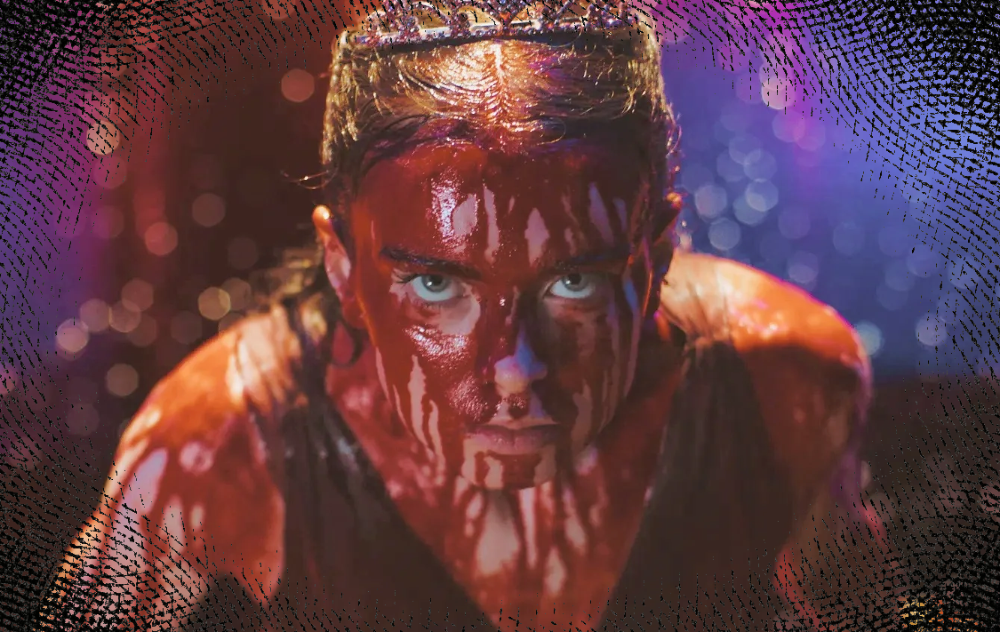
Spoilers follow for Carrie (2026)
Allow me to torture a metaphor for a moment: if Carrie (either Stephen King’s 1974 novel or Brian De Palma’s 1976 film adaptation) is a beautiful, perfectly functional car, Mike Flanagan is a shade tree tinkerer falsely convinced of his own expertise. He wants to dismantle it and put it back together just for the joy of knowing he can, but he’s so wrapped up in his own aftermarket modifications and additions that he fails to replace the bolts and rivets in the chassis. What we’re left with is a flashy vehicle with plenty of bells and whistles that can’t even get you to the grocery store and back without falling apart.
This is what Flanagan does: he takes an iconic story, strips it down to its components, discards the actual meat of the story, and builds something almost, but not quite, entirely unrelated to the original work out of the scraps.
I’m not inherently opposed to that! I’m not precious about fidelity in adaptations, generally; I think it’s entirely possible for a skilled filmmaker with a resonant understanding of the source material to take that source material and do something entirely new with it. The Syfy TV adaptation of Lev Grossman’s Magicians trilogy comes to mind, as does Alex Garland’s adaptation of Jeff Vandermeer’s Annihilation (in fact, I wrote a whole essay on Garland, Vandermeer, and the transformative nature of adaptation back in the day).
But the key to doing it successfully is that you have to understand two things: the engine that makes the original story work, and how your changes affect that engine. When it comes to Carrie (or Hill House, or House of Usher), Mike Flanagan, I’m sorry to say, understands neither. The questions his adaptations ask pull the story so far off its track that it might as well be (and in fact, probably should be, but I’ll get to that later) an entirely new work.