The Horror Books That Really Scared Us
From subterranean zombies to faces in darkened windows, here are the novels and stories that have terrified us (and trust us—we’re horror professionals).
We partner with Bookshop for all our book links. Any purchase you make through our links help support Darker Times.
Here at Darker Times, horror is our passion, but that doesn’t mean it doesn’t still sometimes send us running for the light switch and checking the locks on all the doors and windows. And fear, as we know, is terrifically subjective––what scares one of us might leave the rest of us unmoved, and vice versa. Here are some of the books that have scared the pants off of each of us.
Spoilers abound in this so beware.
The Books That Devastated, Scared, and Unsettled Anna
When discussing horror books, the language around fear, horror, disgust, and unsettledness gets lost in translation very often. It’s why recommending horror books is not the easiest task; horror is very subjective! But if we can agree to the same terminology and vernacular to describe the sensations we experience when reading, I believe it might be easier to land on the same page.
It’s simple to lump all the negative emotions we experience while reading something intense or dark together; but, I would argue there is a very large difference between fear and dread. Or horror and disgust. Revulsion and tension. Suspense and anxiety. Some of my favorite books that have unmoored me by blending these aspects together. But they often shine in one of these demented departments, leading to a very memorable reading experience. Here’s how it works in my head:
When we experience dread and devastation in horror, in my experience, it has been thanks to the long standing ramifications of whatever happens in the book. For example, while Stephen King’s The Stand doesn’t necessarily chill me to the bone, the idea of total social collapse, an unstoppable illness, and intense moral conflict does. A lot of apocalyptic or post-apocalyptic novels implement this long-term psychological stress that lingers beyond the page. That very specific dilemma poses questions that don’t have readily available answers and rely on our humanity to figure it out, something that isn’t always enough in the end (depending on the book). And it doesn’t always take the end of the world to incite these feelings; sometimes it’s just the end of our main character’s world (as they know it) to do the trick.
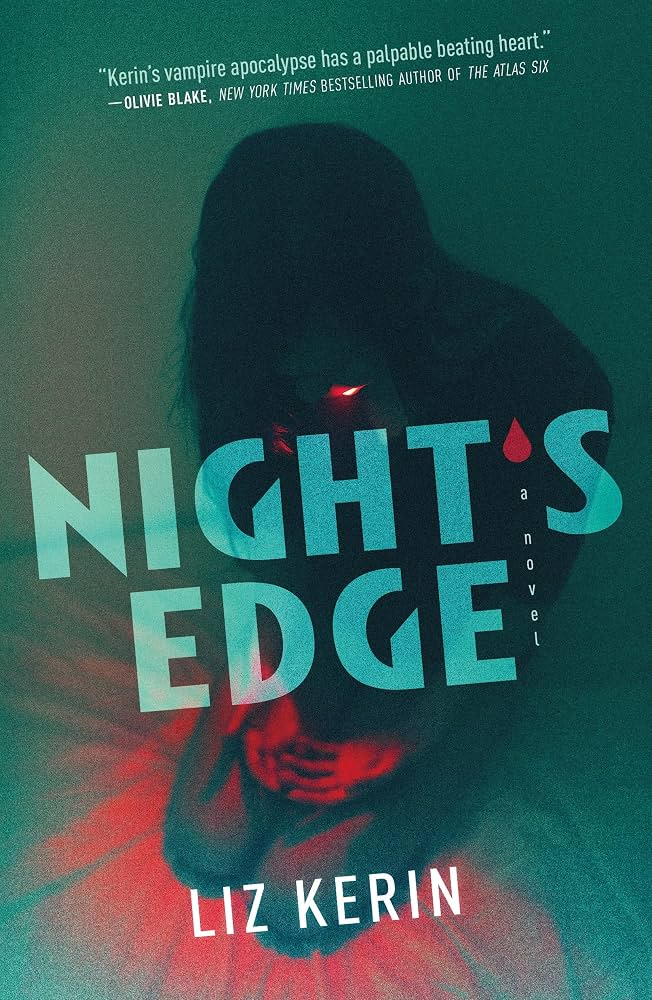
Some books that fall into this category for me are American Rapture by CJ Leede, Kiss Slay Replay by Rachel Harrison, Night’s Edge by Liz Kerin, Unnamed Bones by Lora Senf, and The Haunting of Hill House by Shirley Jackson. In all of these, there is an existential dread that leaps off the page and plagues my anxiety-riddled brain for ages. What if the apocalypse starts with lethally lust-driven, violent zombies? What if I’m stuck in a time loop with no way out? What if my mom suffered from a very complex medical condition with deep moral ramifications and no cure? What if the island I’m stranded on doesn’t have a way out? And most upsetting of all, what if I find a home and friends only to have it all ripped away from me?
The written jump scare is a thing of beauty, my friends. I have long thought over how the hell someone pulls it off, and the truth is there is no one way, as again, this kind of reaction is subjective. In my head, the way a jump scare works is a strong feeling of an uncanny atmosphere (where anything is possible), intense levels of tension, and a very well placed reveal of action. These jump scares aren’t a loud CRASH or BANG with exclamation points; they are very quiet scenes where every emotion, sensation, and vibration is intensely felt.
Some books and scenes that do this:
- A Head Full of Ghosts by Paul Tremblay: The blanket in the cardboard house scene. This made me jump out of my skin while I was at the gym reading on my Kindle.
- Disappearance at Devil’s Rock by Paul Tremblay: This one doesn’t get thrown around a lot, but our main character, a mother, thinks she sees something in the darkness of a room, and CHRIST, that’s stuck with me.
- Play Nice by Rachel Harrison: Clio’s in her mother’s house, alone at night. I refuse to say more so as not to spoil things.
- Nightjars by Michael Wehunt: Any scene that involved the attic. As someone who has an attic like this in their house, I am forever side-eying my hallway entrance to such a space.
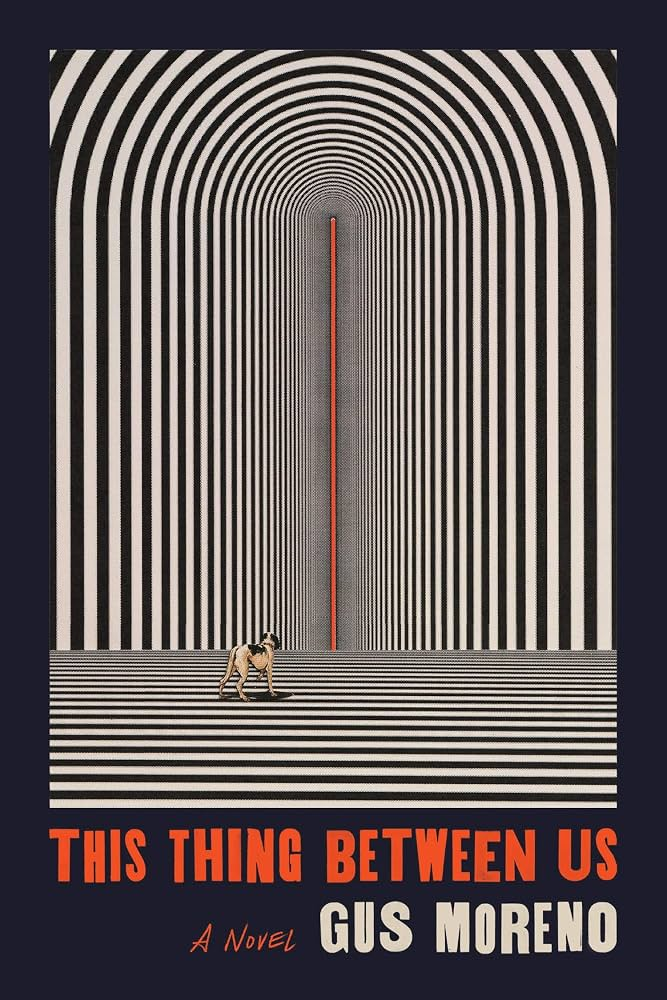
- This Thing Between Us by Gus Moreno: The main character flees a diner and sees something in his taillights. Harrowing.
- The Unseen by Ania Ahlborn: Something’s in the closet …
There are two books that I haven’t mentioned above that don’t fit into any one category and are rather hard to describe. They blend the above characteristics and also found a way to induce the most stressful reading experiences of my entire life.
Mike Bockoven’s Come Knocking is my personal hell brought to life. It’s an epistolary-ish novel that covers a fatal night at an immersive theater experience. Which is a terrifying experience, yes. But this novel nearly made me lose my lunch. Yes, it’s gory and gross (some real Final Destination-like deaths here), but there’s a plausibility to the whole thing that just about sent me to an early grave. Not to mention, any kind of interactive/immersive experience where people can touch you? Nope. Get me out.
But the real reason this book is so harrowing is the unpredictability of people. How mass panic and fear itself can create the most devastating, upsetting conditions possible. There’s nothing supernatural or paranormal about that, a haunting fact that follows me into nearly every public space I enter.
There is something so exceptionally unsettling about Claire Fuller’s Hunger & Thirst. with a multitude of factors bleeding into the worst (best) reading experience imaginable. I would describe this story as a modern Gothic that’s told in dual timelines from our main character’s past and present, recounting her days living in an abandoned flat while immersing herself in the world of art and artists. There’s a thread of unreliability that runs through the whole book, coloring every single page with doubt and intrigue. More than anything, what seals the deal is Fuller’s tight writing and deeply immersive atmosphere.
Help support Darker Times–become a paid subscriber today!
The Books That Really Got To Jessica
I am very vulnerable to scary movies; the sensory overload of the images and sounds hit me hard. If something looks or sounds particularly disturbing, that image or sound is what will surface in my brain over and over in the middle of the night.
Considering myself too much of a weenie for scary movies, my early ventures into horror were novels. I used to think you could not have a jump scare in a book. I used to think a book could not imprint a particular horrifying image onto your brain in the middle of the night. I was wrong on both accounts! It’s harder for books to do, but it is definitely possible. Here are a few that stood out in my reading history.
It by Stephen King
This was probably less about the specific book than about creating the right situation. I was still pretty young, and while I was losing the ability to completely lose myself in a novel for hours, it wasn’t entirely gone. I had just finished going through weeks of stress for law school finals and all I wanted was to be somewhere else. I went to the library and got the biggest book I could, It. Then I sat down with the goal of not getting up for a few days. That is indeed what happened, and it was the most immersive horror experience I ever had. I cannot say I recommend having that kind of experience! But it definitely worked for me as a way to override all the anxiety with different anxiety.
The Twisted Ones by T. Kingfisher
Yes, jump scares are possible in books and The Twisted Ones is how I know. I thought it would be relaxing to have a nice indulgent bathtub read. I didn’t think I would have to worry about being scared. But as I read I found that I was not feeling very relaxed.
It did not help that as I read about the creepy North Carolina woods and the eerie music of specific frog calls, I heard the same frogs outside my North Carolina window. So when an unexpected and terrifying face appeared in the window of the story in the middle of the night (right at the page turn! Definitely on purpose!), I had a bit of a fright and decided that I needed to put the book down. I needed to do it badly enough that I physically got out of the tub to get another book. Cannot express how much it takes to get me out of a warm bath, but The Twisted Ones did it.
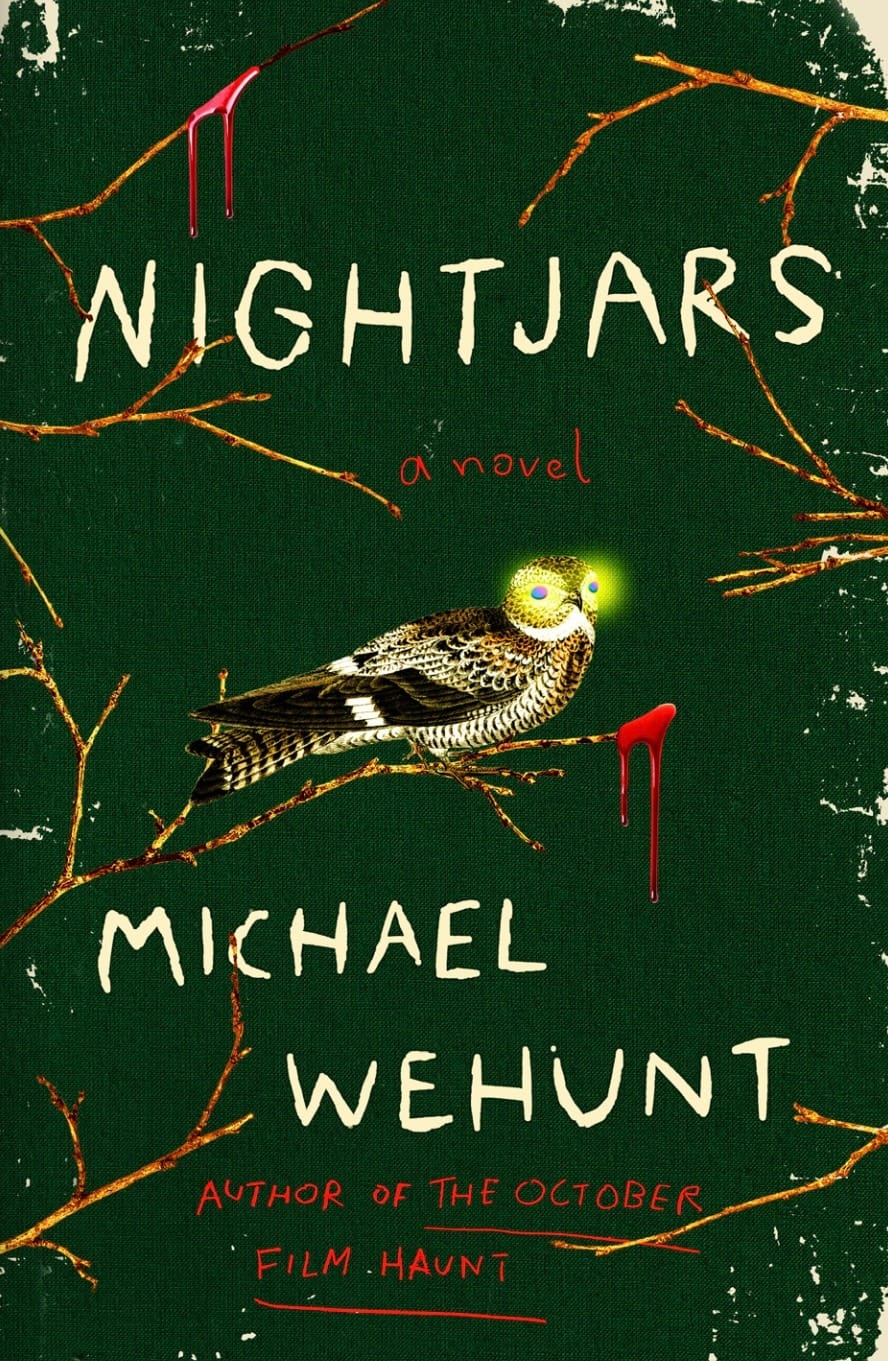
Nightjars by Michael Wehunt
This is the book that inspired this list in the first place. I read a lot of horror now, and while I save extra scary horror movies for the day time, I read horror novels in bed all the time. Why wouldn’t I? Nightjars really got me. It was not a jump scare this time, but a vibe and an image; the kind of thing I can usually only get from a movie. But Wehunt describes the creepy photographs in this book so well that I could not stop my brain from imagining them. I should have stopped my brain because once they were imagined they were pretty horrifying, and I wanted them gone. It took me WEEKS to read this book because I eventually gave up reading it in bed and had to start changing my whole routine to find safe times to read it.
The Books That Made Emily Need to Take a Breather
Like Jessica, I’m much more susceptible to being frightened by a movie than I am by a book. If I try, I can come up with maybe a dozen books that have sparked that physical fear response in me––goosebumps, chills, a tightening of the stomach. But the ones that manage to successfully scare me also tend to stick out vividly in my memory—here are some of my favorites.
House of Leaves by Mark Z. Danielewski
There’s one section very early into this legendary book that pushed my shoulders up around my ears and made me turn around and check behind me a couple times. It comes less than 30 pages into the novel: Johnny Truant, author of one of the story’s nested narratives, is writing about his own paranoia and illustrates his fear by instructing the reader to keep their eyes within the bounds of the page, and then to imagine that there’s something standing behind them, just out of sight, breathing––waiting. It is incredibly scary, and it’s just a paragraph! The first time I read it, I understood exactly what it meant for my skin to crawl.
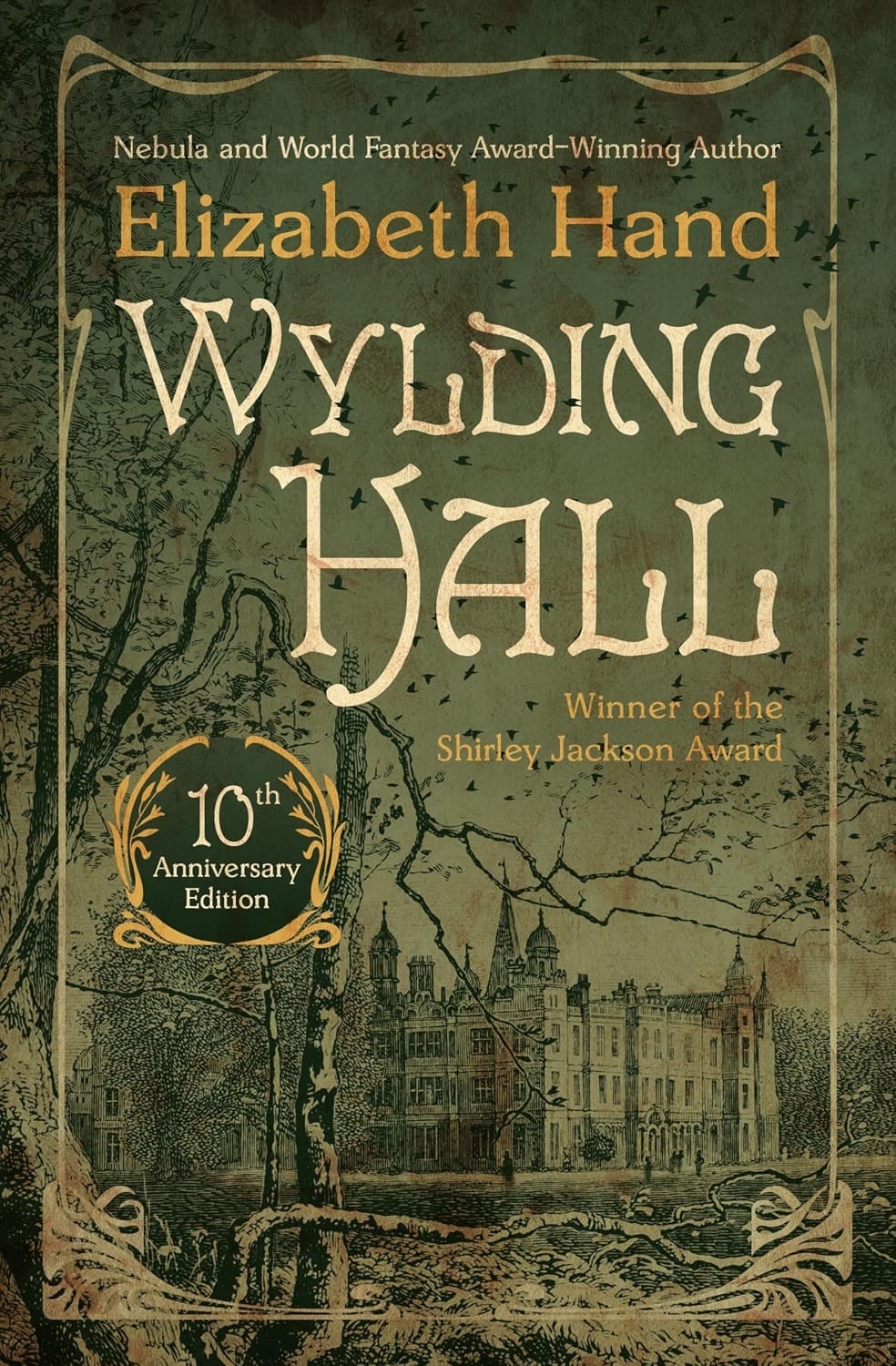
Wylding Hall by Elizabeth Hand
I love this novel and firmly believe it’s one of the most criminally underread horror novels of this century. It’s the story of a folk rock band in 70s Britain who rent an old manor house to work on their new album. Their lead singer, however, is increasingly interested only in the young woman who seems to have joined them out of nowhere. The novel is written as a series of interviews with the band members and their manager, and there’s an immediacy to the oral history format that makes the whole thing deeply uncanny. The band members themselves doubt their memories even as they recount them, understanding how all these strange occurrences will sound to people who weren’t present but feeling compelled to share regardless. Near the end of the novel, after we think the action has concluded, one of the members tells a story about something unsettling he found in a series of photos taken during a recording session, and what he sees in those photos is so surprising and terrifying that I gasped aloud.
Zone One by Colson Whitehead
You’ve certainly heard of two-time Pulitzer Prize winner Colson Whitehead, but did you know he wrote a zombie novel in 2011? You should––it’s fucking phenomenal (and, like Wylding Hall, criminally underappreciated). It’s largely the story of the reconstruction of America after a zombie plague that is rife with post-Bush era government satire and has a surprisingly deep exploration of the nature of identity. But there’s a sequence that scared the absolute living shit out of me: a group of “sweepers” (teams tasked with clearing any straggler zombies out of the buildings of lower Manhattan) are sent down into the subway tunnels between Manhattan and Brooklyn to investigate the state of the tracks. As you might imagine, this does not go well! What augmented the terror of this scene for me was that I was reading it on the subway from Manhattan to Brooklyn. When I got to my stop, I was off that train and up the stairs so fast I’m pretty sure I set a land speed record.
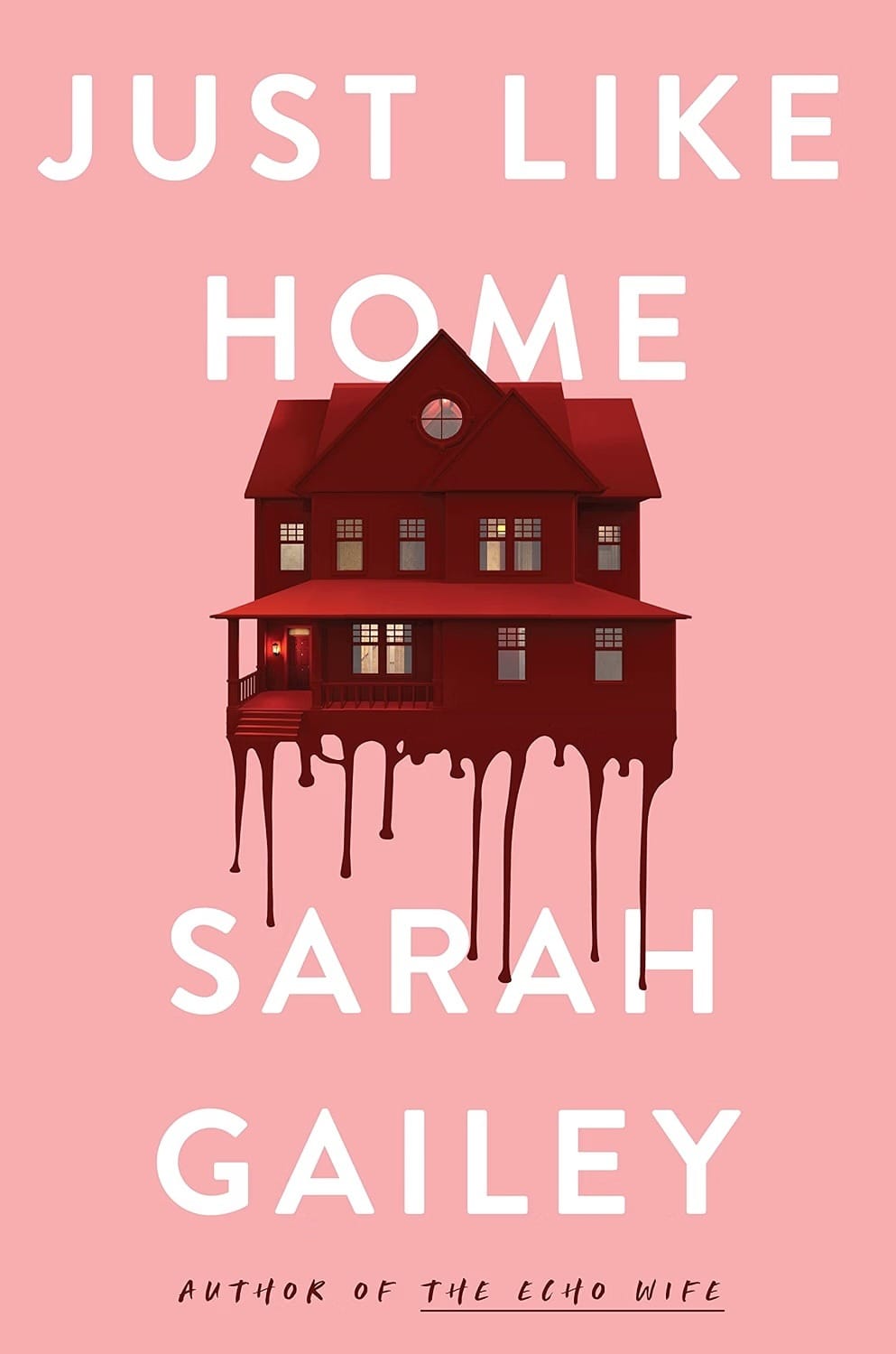
Just Like Home by Sarah Gailey
Sarah Gailey’s true crime/haunted house novel is fantastic and operates on a number of different levels at once, all of them frightening. The protagonist’s increasingly clear recollections of the crimes her father committed in the basement beneath her childhood bedroom are chilling, and the twist the story takes in the last few pages is both horrifying and bugfuck insane. But the most frightening sequence is a scene where our main character wakes in total darkness and comes to the ghastly realization that there’s something under her bed … and she’s right.
Honorable Mentions
- As I’ve mentioned before, I read the Children’s Museum scene in Keith Rosson’s Coffin Moon while up in the middle of the night with a bad head cold and I … almost didn’t survive till morning. Chilling.
- Authority by Jeff Vandermeer features one of the most frightening jump scares I’ve ever encountered in prose (if you’ve read it: the crawlspace!!!)
- This one’s nonfiction, but D.T. Max’s The Family That Couldn’t Sleep, which is entirely about prion diseases, has haunted me for years, and even made me stop eating beef for a while.
- I’m not usually terribly claustrophobic, but Caitlin Starling’s The Luminous Dead, about a woman cave-diving on an alien planet in a futuristic life support suit that’s under the control of someone else on the surface, made me so uncomfortable that I needed to go outside.
- The short story “Säcken” from China Miéville’s Three Moments of an Explosion is one of the single most upsetting things I’ve ever read, ever.
The Books That Were Able to Scare Aigner
I had to go back through my Storygraph to come up with the titles for this list and some aren’t books that really scared me but books that creeped me out. Since I write and edit dark fiction, it’s really hard for most fiction to scare me. Instead of getting scared during those intense moments, I get really analytical. I try to examine what the author is doing and how, so I can do the same in my work. Even with my own fiction that’s been called profoundly disturbing, creepy, and violent, to me it doesn’t read that way. My most horrific works, while crafting them, feel wondrous to write. I often have electricity, and not fear, coursing through me while reading or writing scary moments.
This isn’t because I thrill in gore and violence. It is simply that to write something that actually scares, frightens, or disturbs a reader is some of the hardest writing to do technique wise. It takes working multiple levers of storytelling like atmosphere, pacing, tension, suspense, micro-tension, syntax, and tone all without letting the reader know that the author is doing all of these things at once. When I encounter that level of craft, it’s like magic: pulling something as powerful as emotion out of the black hat of fictional events.
That being said, here are the books that have scared or disturbed me:
Legion by William Peter Blatty
What works in Blatty’s sequel to The Exorcist is the slow methodical nature of the narrative. It doesn’t rush at the horror. It takes its time so that when it comes it's like a hand gripping your shoulder when you thought you were all alone. While listening to the audio book, I kept having this feeling that it was an incantation that was raising a demon in my own shadow.
The Last House on Needless Street by Catriona Ward
Unlike Blatty’s Legion, Ward does go head first at the horror and to tremendous disturbing effect. Ward is one of my favorite horror writers out there because she is able to work those technical craft levers in a way that truly transports me into the world of her characters and story. The Last House on Needless Street made my skin crawl with the body horror and disturbing events throughout the story.
The Reformatory by Tananarive Due
Due’s The Reformatory is the only book that has made me cry while also scaring the shit out of me. The novel is a terrifying and heartbreaking read that doesn’t let the reader forget that the ghosts and monsters haunting the land are or once were people just like you and me. Unlike a lot of horror that feels exciting to read through and see what awful things are coming next for the characters, The Reformatory made me afraid for the characters.
Tender is the Flesh by Agustina Bazterrica and translated by Sarah Moses
Bazterrica’s novel is the type of scary like Due’s that says this could be you or your neighbor or your lover doing and experiencing terrible things and asks, “What are you gonna do about it?” While Due’s novel answers that question with, “Fight like hell!” Tender is the Flesh laughs at the fact you think you can do anything to stop or change it. The novel not only scares but criticizes and leaves a cold iron taste in the mouth.
Salem’s Lot by Stephen King
Every novel on this list I read as an adult and it scared me as an adult. All but Salem’s Lot. I read this book first as a child in middle school, and it scared me so bad I would cross the street when I passed by certain houses. There were even moments when riding in the car with my parents where I would close my eyes and mouth trying to hide from the darkness hidden within homes that loomed and leered outside the window. I didn’t want a vampire inside to take a shine to me. Salem’s Lot was the first book that showed me books could be just as scary as movies.

Comments ()