Hi, My Name is Anna, and Welcome to Querying
In which I explore the myriad of emotions the querying process evokes, some of which feel not unlike participating in prank stunts as seen in Jackass
Back in August, I was invited to horror author Robbie Dorman’s podcast, Blood on the Typewriter. The bulk of our conversation was dedicated to the usual horror topics, craft questions, and the like. But there came a point in which the topic of querying came up, a journey I was preparing to embark upon. And, as these things happen, it hit me: querying a novel feels a lot like emotional Jackass.
If you’re like me a year ago, you may not know what querying is, which is nothing to be ashamed about. It’s one of those things a lot of people talk about a lot or not at all. But the long and short of it is that querying is the process of finding an agent to represent your work to publishers. It involves sending prospective agents, who may be looking to represent the same kind of work you wrote, what’s called a query letter (a pitch, essentially, of you and your drafted manuscript) and a sample of your manuscript, typically the first ten or fifteen pages. There are blogs and social media pages and Youtube videos dedicated to how to write a query letter. There are workshops you can attend, dedicated to preparing your manuscript and query letter for the journey. There are dos and don’ts to the practice, and depending on who you talk to, you will receive a million different approaches on how to handle it.
But the biggest thing of all is the emotional toll of bursting the creative bubble. Of emerging from a creative cocoon for possibly the first time (as is the case for me), showing the world what you think are your fully formed butterfly wings. But the world might think your wings are ugly. Or that you have some more growing to do. Or that your wings aren’t grabbing anyone’s attention quick enough, maybe go back in the cocoon and try again later. Or, possibly the worst fate: no one will say anything about your wings at all.
Querying is hard. And the hellish part of it all is that we sign up for it. Multiple times. Like the good folks in Jackass.
With every agent you query (total strangers a lot of the time!), over months, sometimes years, your work is judged and critiqued in fifteen pages or less in hopes that someone takes an interest. There are multiple kinds of rejections you can receive: standard form rejections, ones that come with personalized feedback, or no answer at all, which actually is an answer. If you’re lucky, you may just get to send the whole manuscript over, but that’s when the real waiting begins, not unlike pulling back a giant slingshot aimed right at your emotional testicles. Will the shot land in your creative scrotum, bringing you to your knees? Or will it pass right between your legs, sparing you from pain and humiliation?
This is all very dramatic, I know. And I write these things in a satirical light. Mostly.
I don’t write this to complain about the process or to air my grievances with the practice. These are words I write in hopes that they land with another person going through the querying process so maybe they don’t feel so alone in the strange, demented journey that is turning your creativity loose into the big wide world.
I have been fortunate enough to have many wise, sage professionals who have either gone through the process or know enough about querying to hold my hand along the way. And even still, it’s a process that is hard to prepare for. To be a writer is to receive rejections, and yes, they will sting. It’s okay to not agree with the feedback you receive, but maybe revisit it in a few weeks once the emotional response is over to see if it holds water. Refreshing your email multiple times a day will not make a response come faster, and the same goes for checking your QueryTracker dashboard. Working on new story ideas when they come to you is just about the only thing you can control in this whole ordeal. Find good company to share the highs and lows with, who will (metaphorically) tape up your skinned knees and put ice on your black eyes.

These are the practical nuggets of wisdom I wish to impart. But on an emotional level, take a note from Johnny Knoxville. Cue up Minutemen’s Corona, strap into your writing chair, and be prepared for whatever comes your way. It might be painful, but the first kick in the nuts hurts the deepest, or whatever Sheryl Crow is singing about.
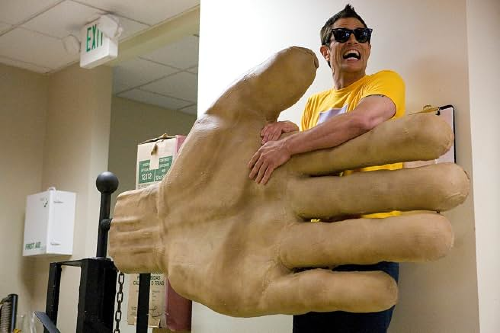
Sharing your art is being vulnerable in the truest sense, standing naked and proud as that giant hand winds up to smack the shit out of you. The wounded egos, busted ideas, and bruised feelings are signs that you’ve tried, badges of either great emotional stupidity or profound belief in art. More often than you’d think, those two are often the same thing, and that’s beautiful.
Help support Darker Times–become a paid subscriber today!

Comments ()