On Black Hobbits and White Vampires
Black people can’t be hobbits, but white vampires just want to dance.
Welcome! You’ve come to Darker Times during a strange and special time: 💫 the Darker Times Subscriber Drive 💫. We’re trying to hit 500 paid subscribers by August 14th or else we will all be hunted down and skinned alive in our beds. Ha! We kid. But not really. To keep Darker Times running, we need money—hot, wet, bloody money—to keep the lights on and the words flowing. If you like this post or even if you hate it, consider subscribing in exchange for great, funny, analytical horror coverage.
When Andy Serkis said that Hobbits are scared of Black people, it made a certain kind of sense.
He didn’t say it that directly, of course. In an interview with the BBC about his upcoming film The Lord of the Rings: The Hunt For Gollum, the star and director was asked about his thoughts on diverse casting. The original Peter Jackson trilogy of Tolkien films (and the Hobbit prequel follow-ups) boast nearly all-white casts. A later Amazon Prime series, the Rings of Power, added several actors of color to Middle-Earth’s visual canon in response to fan comments, even placing Black British legend Lenny Henry in a coveted role as the leader of the Harfoots, a pre-Hobbit race in the Tolkien universe.
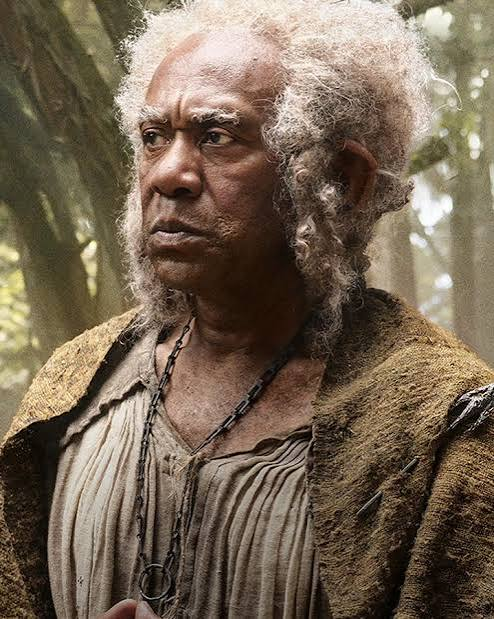
Despite this, Serkis’ response to the BBC’s question was telling. He defended his choice of an all-white cast, stating simply that “The Shire feels very, very much like a very, a very white, you know …”
I’m not sure we do know. Then again, we all can guess.
He also stated that Tolkien was inspired by the Nordic histories (often a code phrase for: the absolute whitest!), and that while canonically Hobbits care very little about the world outside of their homeland, they certainly don’t want people coming in. He even acknowledged the impending criticism while simultaneously making it clear that he isn’t planning on casting any actors of color, equivocating doing so to creating a “politically correct just-casting-for-the sake-of-casting-and-ticking-boxes version of the film.”
It’s not that Hobbiton is racist. It’s just that it doesn’t want dangerous outsiders. Despite the fact that this is a fantasy world in which the denizens of Hobbiton can be played by actors of any human race as long as they are filmed using forced perspective while wearing hairy feet, the real-world racist fear of ethnic infiltration is taken for granted as a legitimate concern, even in a universe in which this makes no sense. You can go into the writer’s intentions, the cultural context he lived in, the demographic limitations of the time and so on, but the fact remains that in 2026, Middle-Earth films contain talking trees, giant spiders, and faceless villains who live for thousands of years. Being non-white seems like an incredibly minor concern.
You know what is concerning, though? White vampires.
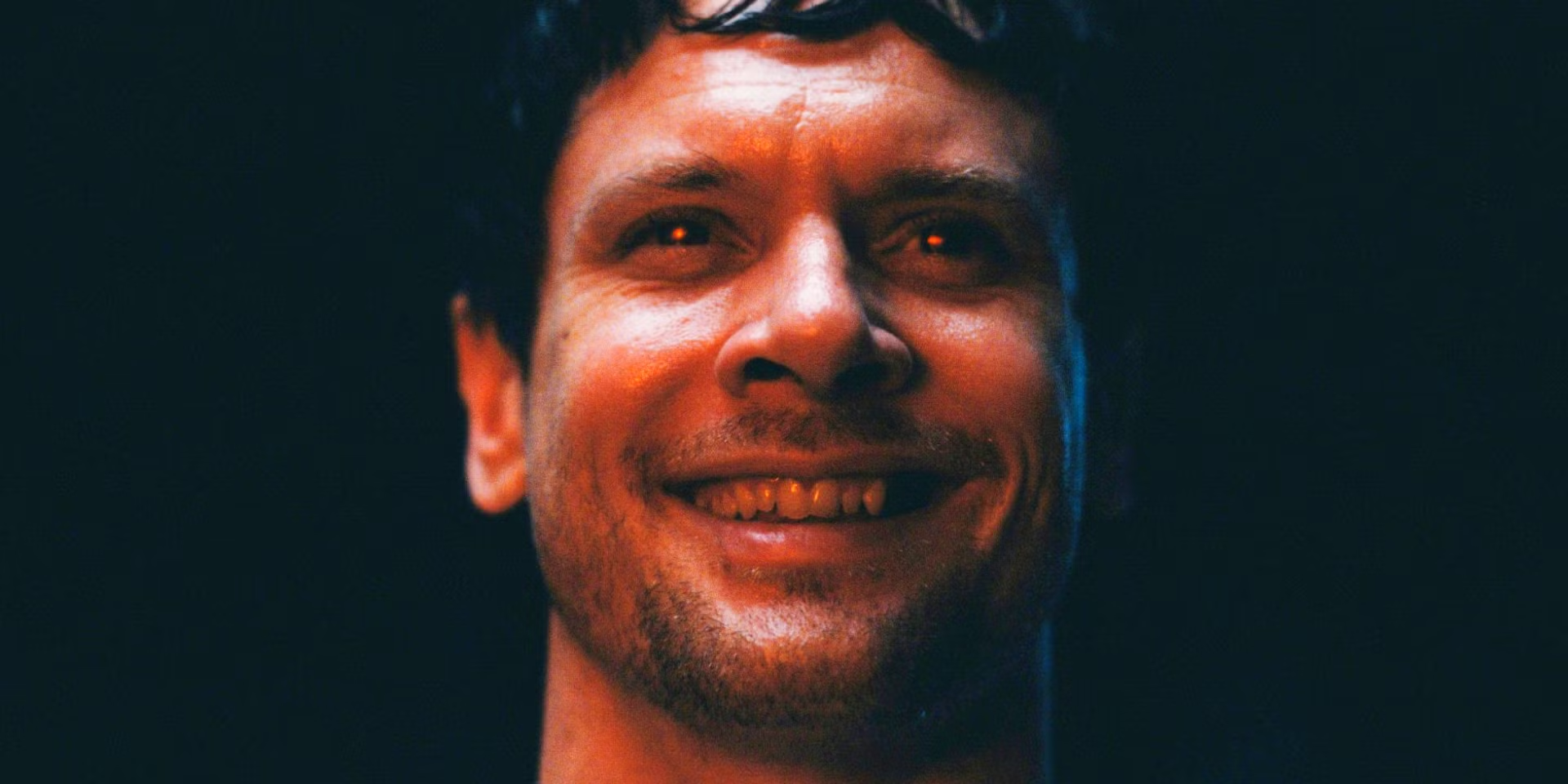
In the film Sinners, an Irish master vampire named Remmick really, really likes music, and that should be okay. At least, that’s what I’ve been told.
Picture this writer, sitting on a patio in California, enjoying a beer in the sunshine with someone of a decidedly different demographic. We talk about books, about California, about the vagaries of academia. Then, this writer makes the mistake of asking what my acquaintance thought of Sinners. He replies that he didn’t really get the point, because yes, vampires are scary, but these vampires didn’t seem very threatening, in his opinion. All they wanted was music and that didn’t really make sense to him. Besides, they were Irish, and if you’re trying to make a statement about race in America shouldn’t they be English or something?
This writer tried her best to explain, gently, that the cultural context made this about more than just wanting the music. Maybe this is about entitlement? Maybe, despite the vampire’s own suffering, the solution is not literally commandeering the minds and bodies of others and co-opting the work of their spirits? Perhaps the vampires deserve a bit less empathy than the Black people they came to the juke joint intent upon eating? Perhaps the creators of the music deserve to decide who can enjoy it, and were right to fight for it, as well as their lives?
For this I got a long stare, and a curt, “Yeah, okay. I guess. That’s just a lot for a vampire film, you know?”
I’m not sure I did know, but I certainly could guess, in the same way that we can all guess what Andy Serkis is getting at when he handwaves the lack of diversity in his vision of the Shire with the same phrase.
Black people can’t be hobbits, but white vampires just want to dance.
A Black Hobbit is an inconvenience, in some minds. It ruins the harmony of the history that colonialism tells itself about itself. The suggestion that stories in the cultural canon must adhere to a fantasy of a pure, untouched, isolationist community is a feature, not a bug. It’s not a bad thing that the Hobbits are all white and want to stay so (although, in the film canon at least, they didn’t start that way). It’s just, you know …? They’re concerned about people coming in.
A white vampire is a warning, a reminder that sometimes, what looks like understanding is a threat. Remmick destroys an entire community in a night, remaking his victims in his own destructive image, reflecting a very real historical fear of violence against Black communities from interlopers, often under well-intentioned rationales that feed the colonial fantasy of purity by isolation, even if that purity is actually the forced eradication and exclusion of anything deemed other. It’s notable in counterpoint that in Sinners, a film with a majority Black cast told unapologetically through a 1930s Black Mississippi Delta lens, non-Black people are otherwise included in natural, relational ways that enrich the story rather than impeding it.
Reality is often explained using fictional frameworks. Horror is a construct, a way of framing some of reality’s more difficult moments, projecting them into the bodies of horribly unreal creatures. No werewolves are coming to snatch your children, no vampires will drink your community’s lifeblood, no zombies are prowling the roads hoping to end your autonomy with a single bite. But there are still very real and very monstrous ways of being and doing that warp our present humanity. Sometimes it’s easier to describe the shape of these ways than the actual perpetrators. If you add fangs, the monstrosity should become obvious. It doesn’t always, if the fangs are on the right kind of face.
Likewise, race is a construct, created to justify violence, marginalization, and greed in ways that can be enacted on human bodies and cultures. It’s also a social reality, so ingrained in our collective psyche that it’s impossible to convince some people that the construct, and the denial of what it truly means to the human psyche, imposes terror on some segments of society.
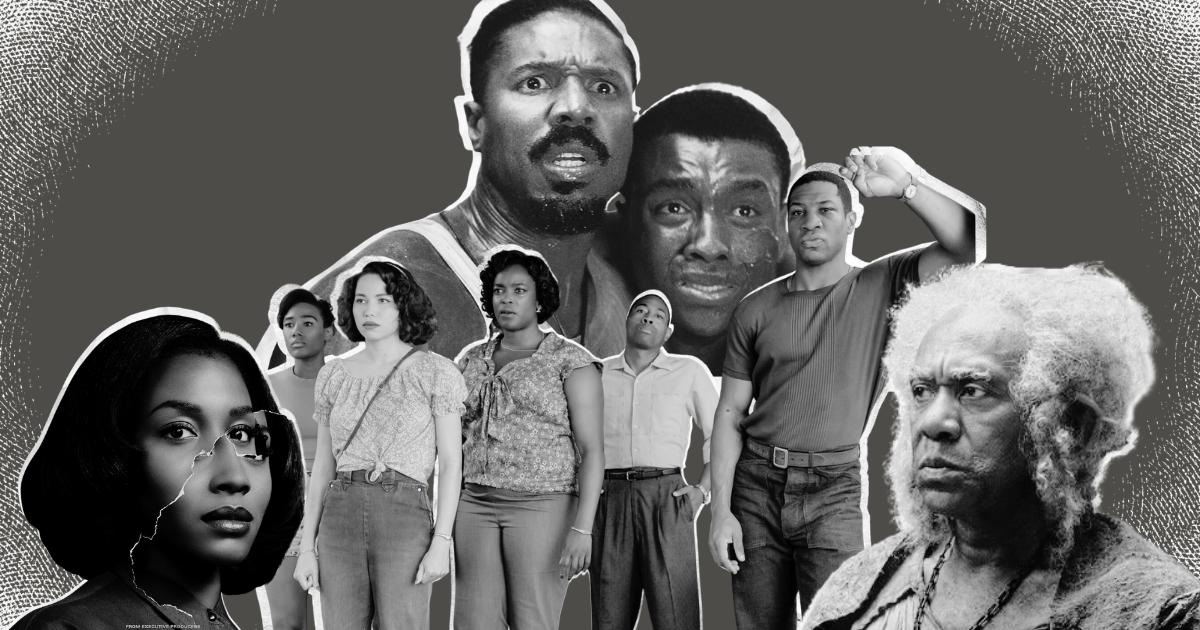
So, we tell stories about it, about the racial bogies that haunt Black cultures through time and space. If we cannot stop racism, we’ll describe what it is, through history, through song, and through evocative fiction. In both the novel and the series versions of Lovecraft Country, monsters rise from the legacy of unjust history and intertwined ancestries. In the series Them: Covenant, racist caricatures and real-life forces haunt a Black family trying to make social headway in the face of segregation and discrimination. And in Sinners, a vampire attempts to steal culture, disguising his plans to destroy people and absorb their rich, creative lives under the guise of appreciation and the sharing of his own legitimate pain.
There’s one more thing that Andy Serkis said in his interview that stands out. He mentions that he learned to understand what being an ethnic minority on a film set is like by being cast in Black Panther, a film written and directed by the same director as Sinners, ironically.
This is not about Andy Serkis, not really, nor vampires, white or otherwise. It’s certainly not about hobbits. But it is about how important it is to think about what the stories we tell really say, when you winnow them down to their truths. Is the danger of outsiders the true horror, or is the difference?
Melissa A Watkins is a writer of speculative fiction, essays, and reviews based in Los Angeles. She’s lived in 4 different countries, 10 different cities, and countless houses. Her short fiction has been published in The Magazine of Fantasy and Science Fiction, Lightspeed, Nightmare, and elsewhere. Her non-fiction can be found in The Statesider, Raising Mothers, and several anthologies about global Black experiences. Find her on all the socials @EqualOpportunityReader.
Comments ()