
Delving Into the Depths with Idols of Ash
How the team at Leafy Games made the horror game Idols of Ash so damn creepy and fun.
In this new series from Darker Times, Mechanics of Fear, we’ll look at the design, build, and construction of horror media. Think book covers, costumes, games, and more. Today’s feature gets into how the team at Leafy Games made the horror game Idols of Ash so damn creepy and fun.
I love games that are terrifying because unlike horror movies, I can get closer to the horror, to the monsters and shadows. I’m not a viewer of the slaughter but the one being slaughtered (sometimes the one doing the slaughtering, depending on the game). And I’ve been playing horror games since I was a kid and my uncle introduced me to Hugo's House of Horrors, a survival horror game that is still the pinnacle of pixelated horror in my eyes. I’m not someone who has played every horror game out there—I still haven’t finished the storyline of The Forest because I’m not going into those caves alone. But when a horror game catches my eyes, I often try to pick it up and give it a go.
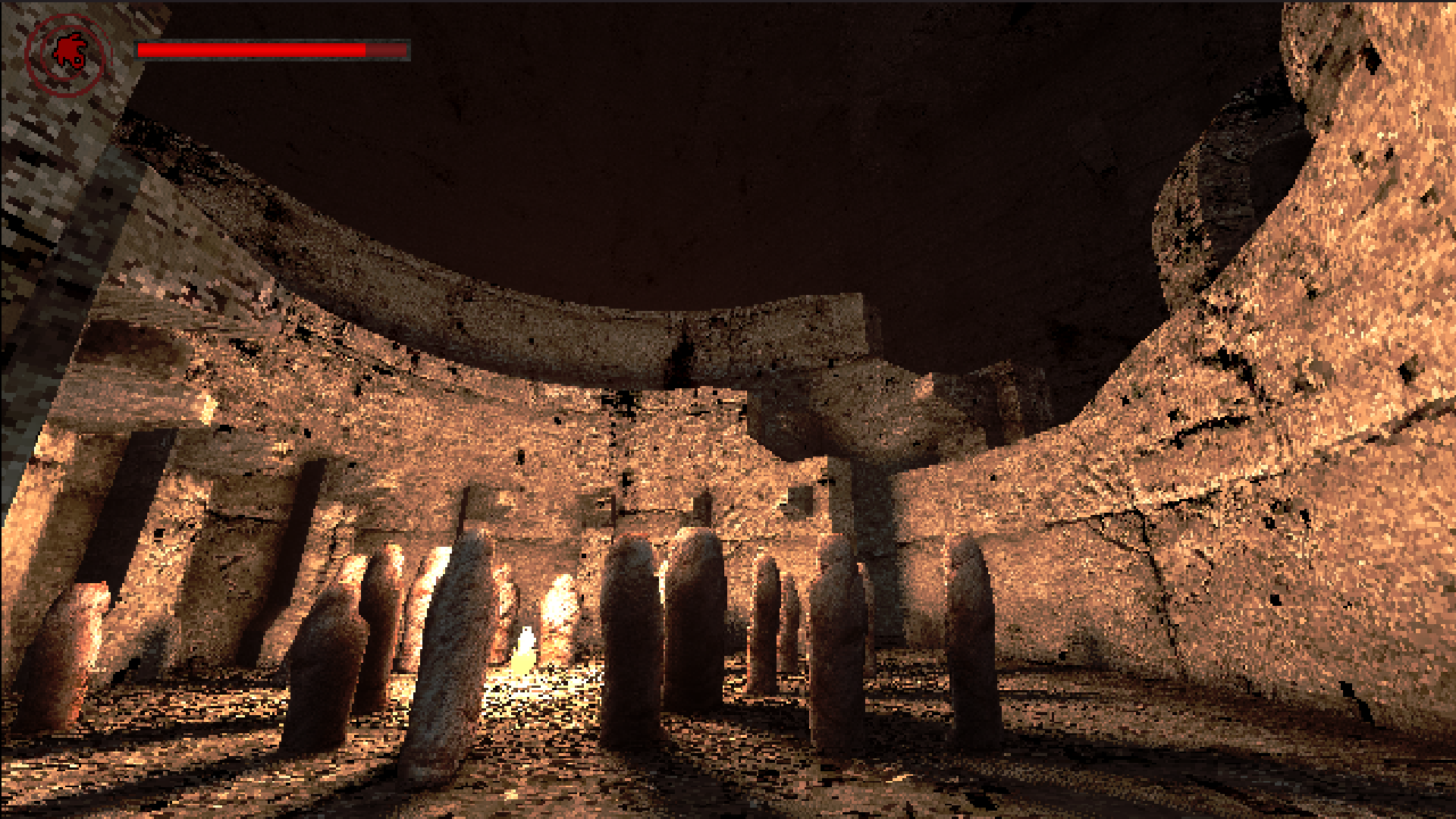
I first heard of Idols of Ash in my local game dev Discord group described as, “a first-person horror climbing game.” That was all I needed to hear to want to check the game out. Then I saw some of the artwork of the caves, the creature that hunts you, and the gameplay of spelunking while fleeing a giant centipede-like monster, and I didn’t just want to play it, I wanted to learn about it.
Idols of Ash is a straightforward game. You are an explorer searching for something you have forgotten in an ancient cave system where there are ash canisters that trigger memories you desperately want to relive. While you regain your past, something hunts you. Why? Because that’s what it does. Simple as pie. Except not so simple, because this is a game and at the heart of a game is mechanics, physics, and logic for an illogical world.
Designing Idols of Ash
I am fortunate enough to live in a creative town where we have design studios like Leafy Games (operated by siblings Preston and Alex Stoll) making fun and entertaining games, allowing me to spend some time with one of the team members, Alex. It is always so fun to meet the people behind the games I play. It gives me a new perspective on the game and, in a lot of ways, shows me the zipper on the monster.
When I first started playing the first person Idols of Ash (designed using the game engine Godot), there were a lot of creep-factors and moments of literal gut-wrenching fear, like when I leaned over an edge to look down the deep, deep cavern that I was in and began to fall. And that was just in the start of the game, before the creature came and added a whole new auditory and visual horror stimulus.
Loading up the menu screen took me back to playing Doom on my desktop as a child, but the controls of Idols are cleaner, of course. Even though the art style is pixelated, the game itself is not retro but more modern, relying on atmosphere, white space narrative design that doesn’t impose too much control or direction on the player, and smart mechanics to make the game a fun and memorable horror game experience. It may have read Doom to me, but Alex noted that the inspiration for the game came from the video game FALLSTRUKTUR, the reverbed and slowed mix of King's Field IV songs, and the documentary, Dave Not Coming Back.
Idols of Ash starts out with you waking up by a tent in a canyon in search of something that leads you to a giant hole in the ground. Even though nothing happens during these opening moments, the lack of over the hand graphics like bright colors, explosions, and the like or instructions to get you to play the game in any particular way keeps the world feeling mysterious and almost threatening. Unlike a lot of games where you are dropped into a world and get friendly helpful hints on how to move about, Idols of Ash offers a lighter touch and allows you, the player, to explore the map, offering tips and instructions as the player encounters world hazards and story points.
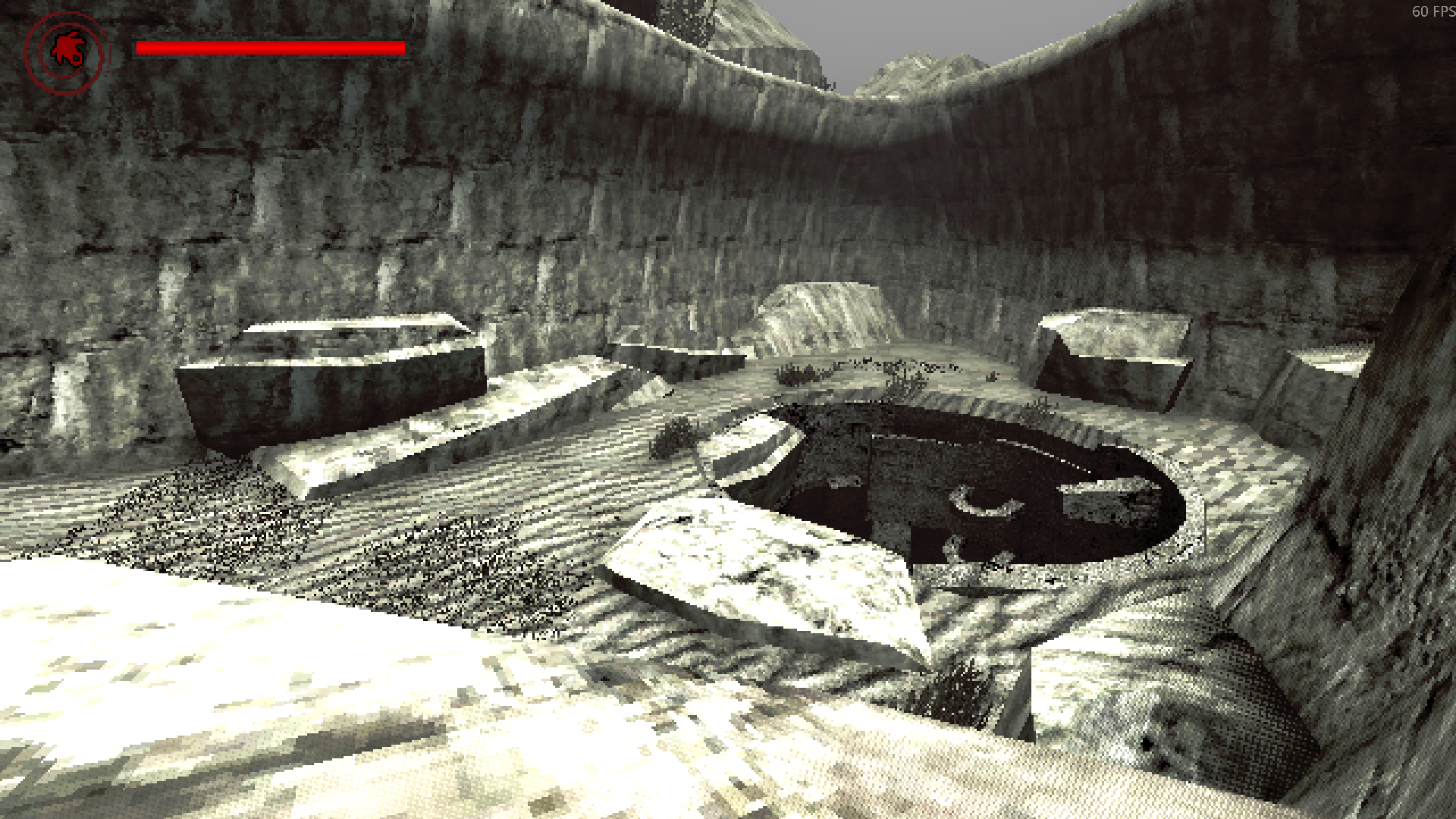
The mechanic that initially jumped out at me and took some fun getting the hang of was the spelunking that allows the player to grapple, swing, and climb through the world map that descends down and down into the depths of the earth. Currently, the game is only available to play on Windows, macOS, and Linux. I played it on my Mac using its keyboard and mousepad, which with some games can feel clunky or hard to wield as a PlayStation gamer myself, but the controls felt quick and seamless to grapple and throw my hook from ledge to ledge as I played.
This spelunking and climbing system, while not inherently scary, adds a layer of constant uncertainty and reflexes. You’re moving through the game watching for the centipede and searching out ledges to swing from and hook onto while moving further down. The first couple of hours I played, I tried to just throw myself down the long cave and catch myself here and there as I fell, but that quickly became dangerous as my hook didn’t connect with each surface, and I was introduced to the out of control wobble that the team built in so that players that did fall for long distances got the vertigo and sickening effect of falling themselves.
The map of the game is a fun, explorative horror element with its dark corners, mysterious monuments, and strange canisters, but it’s clear the true horror element of the game is the monster, often referred to as “the creature” or “the centipede.” A lot of work went into designing this abomination to make sure it delivered a truly harrowing playthrough for the player. The designers behind Idols of Ash began designing the monster based off of real centipede sketches, but when early play testers commented that it was too cute, they made a hard shift toward a more terrifying creation that blended artistry, sound, and game mechanics to craft something unique.
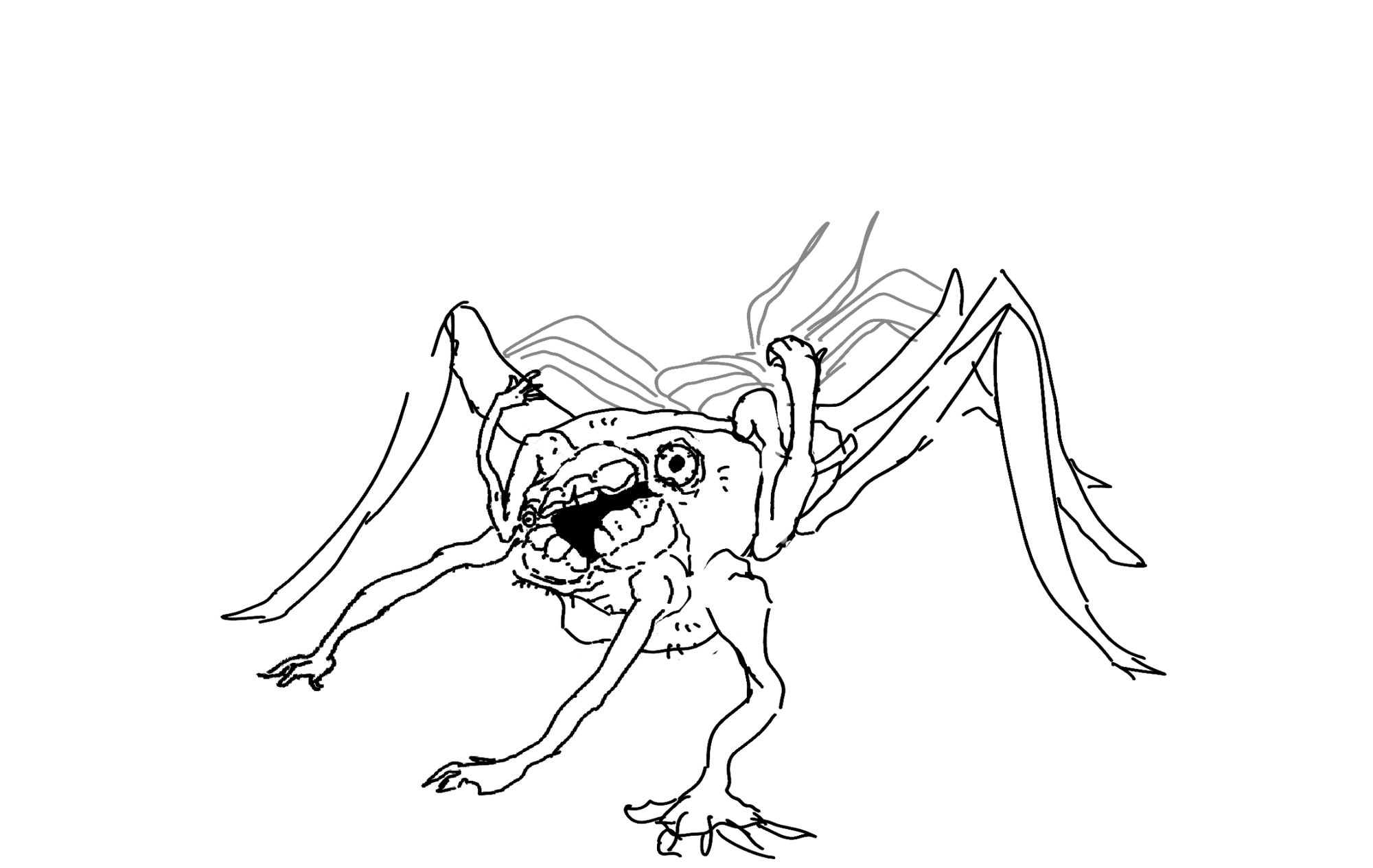
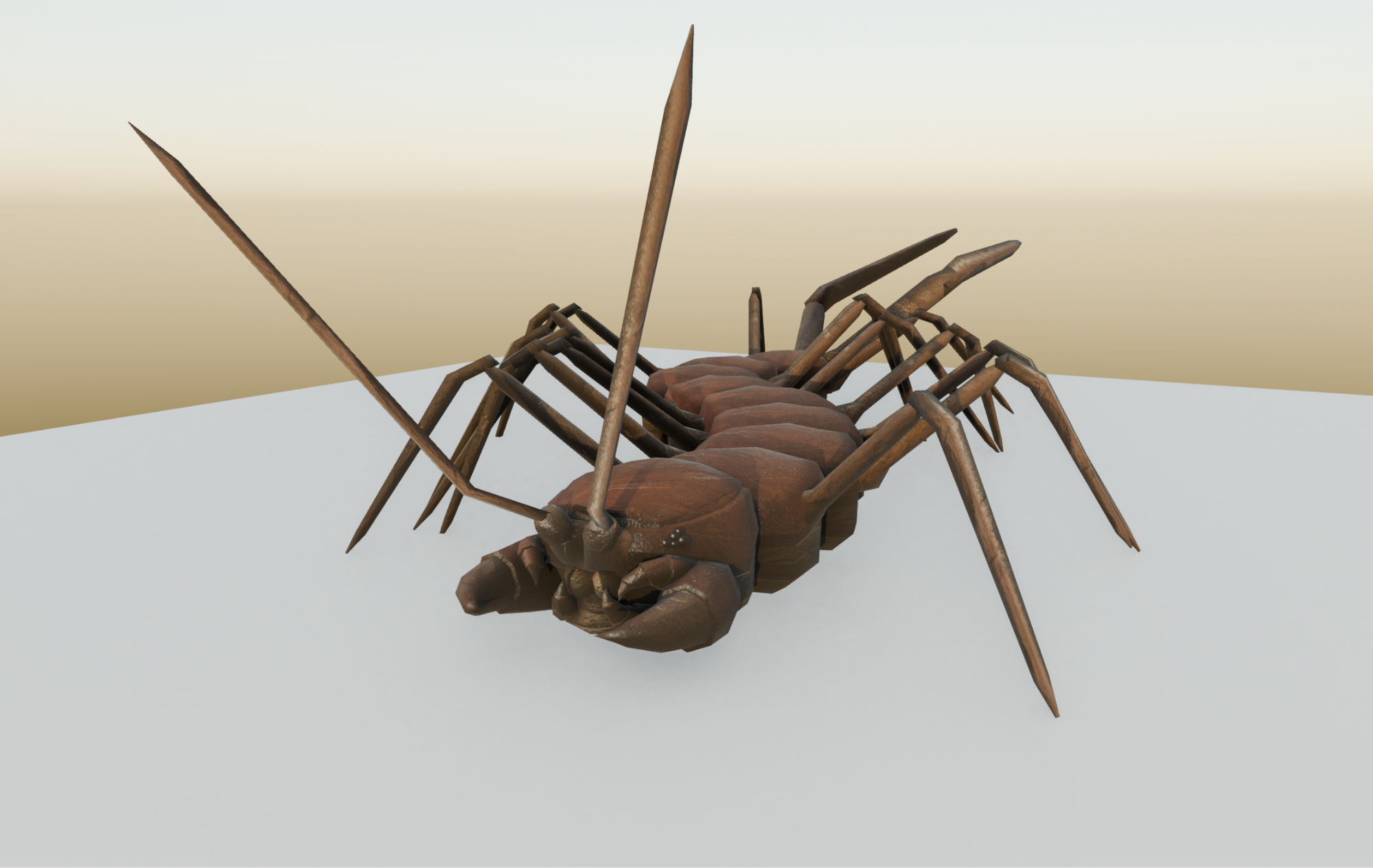
The centipede early sketches provided by Leafy Games
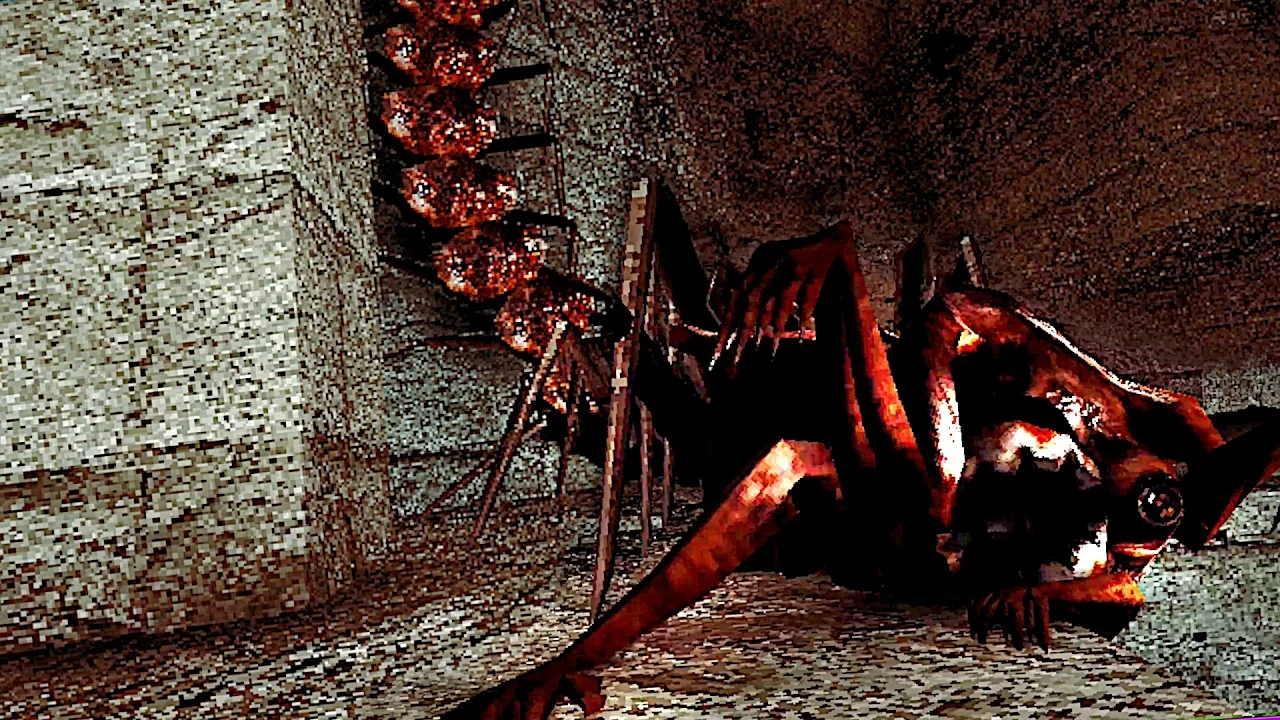
Where the original creature resembled more of a real life centipede, the current and final iteration is pure nightmare fuel made of monstrous parts and gnashing teeth. All of that grotesqueness is made worse when you add in the mechanics of the centipede that governs it.
The creature’s path is trained on physics to troubleshoot its environment to find the player. So once the creature locks on to you, it never stops hunting you (except for two key moments in the game!). No matter where you are, no matter what you are doing, the monster is always coming, working its way through the elaborate cave system to find and kill you. In technical terms, hooks and path finding are how the creature hunts.
If that wasn’t scary enough, the team used the sound of actual human teeth gnashing as the sound for the monster’s own mouth, creating this uncanny valley effect of a monster chomping down on you with the sound of real teeth gnawing away. And the sound of it crawling to you? That audio is the sound of knives against metal…
The sound and its design are doing a lot of really good, heavy lifting to make the game a terrifying experience. These aspects were important to Preston, the other half of Leafy Games. This meant searching for sounds that worked for the game play, but Preston didn’t stop there and also considered how space affects sound.
As you play the game, the creature’s movements are cast to you through your speakers or headphones, changing as the creature gets closer or changes direction. The designers of Idols of Ash also turned up the panning—the directional sound positioning or having a sound coming from the right, played through the right speaker or headphone. This makes it so that even if the creature is further away from you, you hear its steady increasing movements as it makes its way to your location, growing louder with each step.
The sound also responds to the area you are in, creating the sensation that the creature is truly coming to you in real life. To make sure the sound was dynamic and responsive to the player, Preston used ray casts or lasers in the game to measure the size of the room the player was in so that he could adjust the reverb level, creating the auditory feeling of an echoing chamber or a dead quiet tomb.
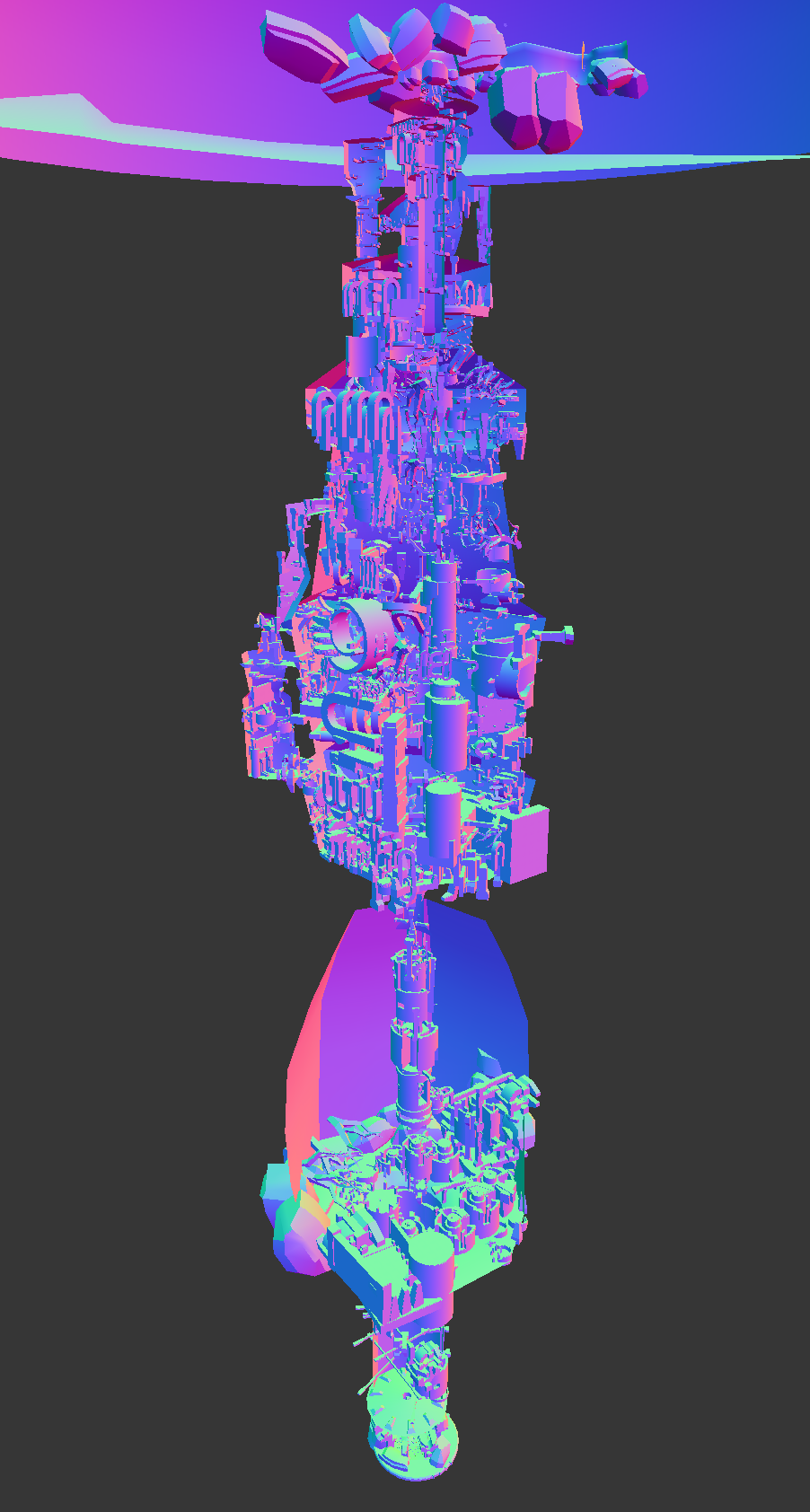
Alex got into a bit of the art style behind the game and how, though it uses a look that may harken back to retro games, the design of it is actually quite modern. Using nearest neighbor filtering by taking actual real world textures and mapping them onto the game so that they are rendered as duplicate pixel colors, Alex gave the game a noisy or grainy appearance. Alex also used triplanar mapping, which takes a 2-D image and maps it onto 3-D structures to keep the pixels the same no matter the size of the structure. Another fun word and technique I learned while speaking to Alex about how they got the atmospheric art style was “ambient occlusion” that simulates shadows in 3-D digital environments. Alex cranked this way up for Idols of Ash, making the corners and shadows absolute voids of darkness.
Something for me that made the game’s atmosphere peak creep is the sort of whitespace narrative that the game’s story has. You wake up at a tent in a canyon and have an urge to remember. There’s no long opening sequence or a lot of narrative foreplay (throughout the game, there’s maybe 500 words). You’re just in the game and have to explore if you want to learn more, an effective style of storytelling that unfolds as you play through. Alex worked on the narrative design as well as built and designed the map and cave system that helps the environment feel deeply connected to the story itself.
The storyline came from one question Alex had to sit and think through in order to map out the game and story: “Why would anyone want to go down into this cave?”
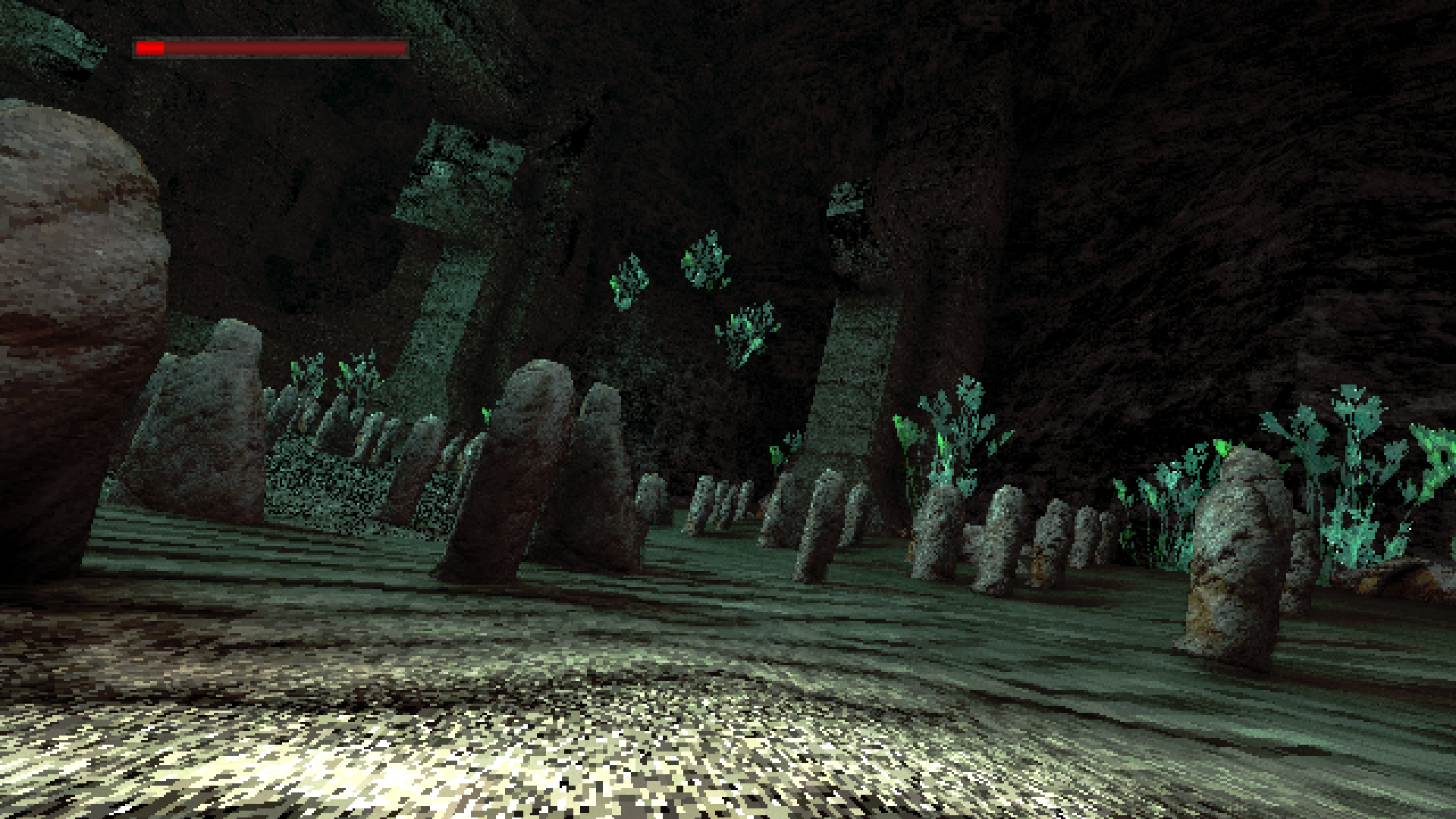
It all rests on memory and reclamation. The character in the game is searching for the face of someone they have lost. The only way to remember this face is by going into the depths where lurks a killer centipede. In the cavern, there are ash canisters that allow the character and player to relive or hallucinate memories. These memories are some of the brightest moments in the game. Alex wanted the rest of the world to be colored through the eyes of a character who is lost, alone, and grieving. Light and color guides the character and player in their descent to madness or memory.
That, and fear, of course.
How to Experience the Dread of Idols of Ash
Indie game development provides developers and designers the freedom to take risks, build games quickly, and to work on a small dedicated team that works so well together that they create games like Idols of Ash. It is one of those unique games where you can complete it in a short span of time but also yields endless hours of scares and fun.
There’s no large overarching narrative story structure with a bunch of NPCs trying to lure you away to other quests. It’s just you in the cave with the centipede, trying to make it to the bottom alive, all to remember what you have lost.
If you have not played through the game yet, you can get it on Itch.io directly from the team and check out their other games—though I will note that the other games are not horror related. For gamers who want to play the game without the fright factor, a fan has created a scaredy cat mod version of Idols of Ash where players can explore the map without the monster.
You can also support the team by following their Itch.io page, YouTube, and their Bluesky.
Comments ()