The Unattainable Dreams We Kill For: The Narrative Spine of Horror Musicals

Isn’t it wrong to sing and dance while people are dying?

The Unattainable Dreams We Kill For: The Narrative Spine of Horror Musicals

Welcome! You’ve come to Darker Times during a strange and special time: 💫 the Darker Times Subscriber Drive 💫. We’re trying to hit 500 paid subscribers by August 14th just a couple short days away. As part of our efforts, all our articles this week will be free to read Wednesday. Like this post about the narrative structure of horror musicals, which would typically be paywalled. If you like this article, consider subscribing in exchange for great, funny, analytical horror coverage.


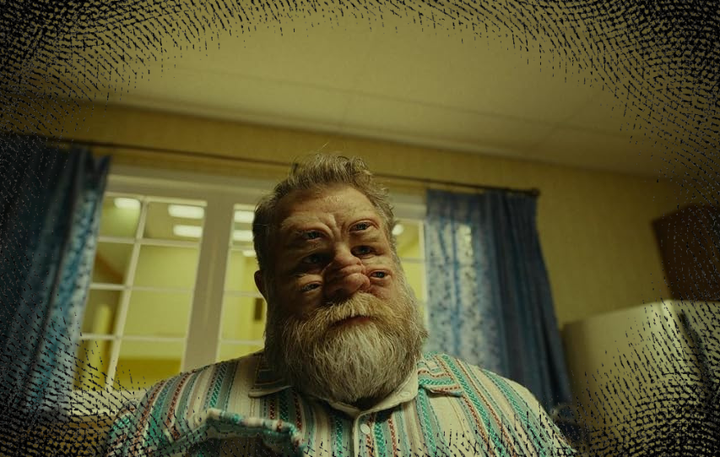
Towards the end of the 2014 horror musical Stage Fright—a slasher set at a theater camp—after everyone knows there are deaths and killings happening at camp, an interesting question is posed. The shady musical theater coach(?), played by Meat Loaf, begs the counselors and campers not to call home or the cops until after the big performance. In response, a child steps out of the crowd and asks in the most innocent voice, “Isn’t it wrong to sing and dance while people are dying?” 

Meat Loaf’s character isn’t dissuaded by this, but instead, bursts out into a song that starts, “Do you remember the first time you ever saw a musical play?” His song is bad. The movie itself is bad, but he does go on to sing about how we need music to help us process darkness. 

But a horror musical?

While they are often seen as funny or silly, horror musicals have one core theme connecting them that is not all jazz hands and crescendos. Whether singing about a zombie apocalypse, how gay we feel about theater, or baking friars into pies, these movies are all centered on a desire for a dream life that leads the characters to doing whatever it takes to achieve it, even murder or standing against a horde of the undead all while dancing in synch. And this dream life isn’t one they themselves really want, but is often defined by the patriarchy, capitalism, God, or society, and the characters in horror musicals cling to it as a light at the end of a long bloody tunnel. 

Overture: Short History of Horror Musicals

Horror musicals employ truth telling (reveals of inner emotions through slaughter and song); spectacle (showcasing murder and gore in ways fantastical and musical); and catharsis (the release of pent-up emotions through showstopping numbers paired with climatic mayhem) to drive their narratives. Which is perfect because both of these genres (horror and musicals) separately thrive off of these elements. Marrying horror and musicals together, despite what naysayers may … say, creates a wonderful show that offers characters their dreams on a glittering stage and then shows them that all their want is for not. 

Horror musicals as we know them today didn’t start until the 1970s once rock musicals became a thing. And it all started with adapting plays like Rocky Horror Picture Show (1973) into movies or in the case of Sweeney Todd: The Demon Barber of Fleet Street (1979), adapting a play into a musical. Horror musicals use popular music of the time and also critique the current or present moment, the musical genre in the movies over the years has gone from the folky and glam rock of the 70s to Motown tunes of the 80s before hitting the 90s Disney era. Once we get to the wonderful aughts, horror musicals range from alternative rock or nu metal to top 20 jams. 

Musicals, like horror, follow a pretty predictable format from the opening number to the finale. Throughout the musical, there are four key songs: the I Want Song, the Reflection Song, the ensemble number/Eleven O’Clock number, and the reprise. These songs all work together to build the narrative of a musical. In a horror musical, the same rules apply. 

Opening Number Kill

The opening number sets the tone for the rest of the movie by introducing the world, characters, and themes. In The Wicker Man (1973), the opening number is “The Landlord’s Daughter” a raunchy song that introduces the folky tunes of the movie, its sexual overtones, and the island inhabitants—all while scandalizing the sweet pure religious character, Sergeant Howie. This song sets up Howie’s desire to stay by the book, the Good Book, that is. A few moments later, locked up tightly in his room and trying to pray but giving up to go to bed, we get “Willow’s Song,” which is sung by the actual landlord’s daughter of the tavern Howie is staying at. And she is trying to seduce him through a wall with naked gyrating and singing.

Don’t worry! He does not give in to this pagan temptress because he is saving himself for marriage. When The Wicker Man came out in the early 70s, the world was on the cusp of a sexual revolution. The ways of the 40s-60s where saving yourself was the proper and right thing to do if you wanted a happy faithful marriage were being called BS with the access to birth control and the challenging of sex, gender, and race politics. Many youths of the 70s felt that happy, faithful marriage ordained by God and his Priest Man, led to nothing but unhappiness, conservatism, and suffering.

Or, like in The Wicker Man, a fiery death trapped inside of a wooden man, screaming for a God that does not come while liberal—I mean, pagan worshippers sing.

The Wicker Man streaming: where to watch online?
Find out how and where to watch “The Wicker Man” on Netflix and Prime Video today - including free options.

First Act Slaughter

After the opening number and often other songs that set up the world and characters, we’ll get the I Want Song. This song, similar to the opening number, is a song meant to key the audience in on the main character’s motivations and internal desires. In a horror musical, the I Want Song shows us the life that the characters are willing to kill or die for. Tim Burton’s 2007 adaption of Stephen Sondheim and Hugh Wheeler’s stage musical Sweeney Todd: The Demon Barber of Fleet Street features the I Want Song “My Friends.” It does not directly state what Todd plans on doing, but instead hints at his dark desire, promising his shaving razors that they “... shall drip rubies.” 

Johnny Depp Sweeney Todd: The Demon Barber of Fleet Street © DreamWorks Pictures and Warner Bros. Pictures

The dream life is shattered early for Todd. He comes back to London a man with revenge and death in his eyes. The only characters that still yearn for the dream life and believe that it exists are: the pie maker; the young boy they take in as a ward; and the young man that falls in love with Todd’s daughter. But Todd’s dream life of revenge is not what it is cracked up to be. His pursuits lead him to killing his own wife and appearing to his daughter as a blood covered killer. He tells her to forget his face before shoving her out into the night unaware of who she is because all he sees is revenge and blood.

Another great example of the I Want Song highlighting an unattainable life the characters are after is from the 1986 horror musical classic Little Shop of Horrors. After we see the potential cuteness between characters Seymour and Audrey, and also see their dismal lives on Skid Row, we are treated to Audrey’s “Somewhere That’s Green.” This is a song that pines for a cookie cutter stereotypical traditional cishet life as imagined by 50s housewives in advertising fever dreams. 

Additionally, in Sweeney Todd (2007), the pie maker, Mrs. Lovett, has her own I Want Song. She shares her desires with Todd in her own delirious pre-Industrial Revolution fever dream of sunshine and steam in “By the Sea.” 

Sweeney Todd: The Demon Barber of Fleet Street streaming
How to watch “Sweeney Todd: The Demon Barber of Fleet Street” on Netflix and other services – including free options.

The two songs from Little Shop of Horrors and Sweeney Todd are identical in their styling and sentiment. Both women dream of a life that they are not able to have for their own reasons. For Mrs. Lovett, it’s because she’s harboring a secret that she has had something to do with the misfortunes that befell Todd’s family. When the secret finally comes out, Todd sings and dances Mrs. Lovett into the pie oven to burn alive. And with Little Shop of Horrors, Audrey’s dream is impossible because Seymour has begun killing people in order to afford this life somewhere green. All of his murder eventually unfolds, hurting Audrey, and, in the original ending of the 1986 movie, she asks Seymour to feed her to the plant so that she can live somewhere green forever. For both women, their dream life is only achievable in death or only brings them death.

Little Shop of Horrors streaming: where to watch online?
How and where to watch “Little Shop of Horrors” online on Netflix and Prime Video – including free options.

Even though the two movies are separated by 20 years, they show a world buckling under the weight by capitalism, industry, and driven to harsh poverty. I think this is because the original plays of each were actually put on around the same time. The original Sondheim's Sweeney Todd opened in 1979 and just two years later Little Shop of Horrors premiered in 1982. While Little Shop of Horrors portrayed a more realistic 80s vision of a city draped in poverty and divide, they both still showcased the same fears of industrialization and class divide and yearning for a life outside of all of that in a past that never existed. 

Show Stopping Mayhem

As the characters sing and slaughter their way to a place that can not be reached, all that mayhem, singing, and truth erupts during the middle of the movie in what is called the Eleven O’Clock number or showstopper where the character realizes what they truly must do to make their dream life a reality.

The Nightmare Before Christmas (1993) is one of the few (two) horror musicals that is also a Christmas movie. Jack Skellington lives as Halloween Town’s man of the town, everyone loves and follows him. When Jack, troubled and searching for something new, finds his way into Christmas Town, he sees that there are other ways to celebrate and becomes obsessed. He sings all the songs of a musical: in “This is Halloween,” we are introduced to Halloween Town, its population, and the lay of the land; in “Jack’s Lament,” he describes his issue and desire.

Then comes Jack’s realization in “Jack’s Obsession.” He declares that he will not only bring Christmas to Halloween Town and the world, but improve it. Later, he gets the whole town involved in making his desire for Halloween Town to become Christmas Town by filling the air with joy and delight. They sing the ensemble number “Making Christmas” as they show off the terrifying toys that they plan to give to the kids of the world.

Unlike many horror musicals where the characters strive for a new and better life that doesn’t exist leading to chaos, Nightmare Before Christmas shows that in fact, the dream life we wish for does exist, but that only certain people who are meant for it are allowed to have it, like Santa, who warns Jack not to interfere again. We, or those among us who are not meant for that life, should be happy with what we  have and stay in our own worlds.

Nightmare Before Christmas © Skellington Productions

As a kid of the 90s, I get it. That happy mixed with sad dark ending was the 90s vibe. The world at that time wasn’t pretty, but it was good enough.

The Nightmare Before Christmas streaming online
How and where to watch “The Nightmare Before Christmas” online on Netflix and Prime Video – including free options.

Finale Girl

What Nightmare Before Christmas made easy to swallow in the 90s, Anna and the Apocalypse (2018) reckoned head on with and did so with zombies. Anna and the Apocalypse is a Scottish horror musical about a zombie outbreak during the Christmas holiday that threatens Anna, her friends, and her community. Anna is a high school girl on the cusp of leaving school for the big wide world. Unlike what her father and administration say, Anna doesn’t want to go to college after school. She wants to travel, explore, and learn about life firsthand instead of just following the high school to college to career pipeline. 

As the story of a musical winds down and the characters get closer to their wants and desires, the main character will sing the finale song. The finale of any musical is meant to be emotional, passionate, and show the character’s growth from the beginning of the movie. For Anna, her finale is “Give Them a Show,” a song that takes place while she’s battling zombies and trying to save her dad from the undead and the antagonist of the film that feels like a stand-in for the Boomer class. 

What is unique about Anna and other contemporary horror musicals is their depiction of the protagonist or main characters. In Anna, unlike most zombie movies or even horror movies, Anna and her friends aren’t scrambling throughout the movie to fix things or find answers. They choose to hunker down in a bowling alley with zero motivation to try and save the day or make it out so they can create a better future for anyone. Nope, they watch the bombs drop and the world end while singing about how they have “become technology,” desensitized and totally separate from each other.

They then begin singing about how they need a “human voice that they can hold on to.” This call for guidance is unlike many we get in horror musicals but harkens back to 2001’s Buffy the Vampire Slayer musical episode “Once More With Feeling” and the ending song “Where Do We Go From Here.” Now that the truth is really out and accepted, where do we go and how do we get there? What the teens in Anna and the Apocalypse are singing for is the nostalgia of pre-tech 2000s when direct communication was the forced way—like Gen Z and younger generations wanting analog tech and JNCO jeans. 

Anna and Stage Fright (2014), two newer horror musicals with younger casts, make a quick departure from the old horror musical themes of wishing for a past traditional dream life. These two musicals instead say I don’t want your life, Dad, because it was never good to begin with. They readily grapple with the fears of a younger generation on the brink of entering a world deeply broken and troubled. But, they still desperately want to find happiness by simply following individual dreams—not the establishment’s dream but their own, whether that’s being a Broadway star or surviving high school and zombies to travel abroad. 

Anna and the Apocalypse streaming: watch online
How and where to watch “Anna and the Apocalypse” online on Netflix and Prime Video – including free options.

Coda or Is It?

Everyone has sung, been killed, or is so frightened/startled by everything that has happened they are speechless. It seems like the story is over.

But wait! There’s more!

Little Shop of Horrors (1986) © The Geffen Company

Sometimes, the killer isn’t dead in the end. And in horror musicals, the ending we see is often not the ending of the character’s journey. We will often get hints that the future they are singing and dancing into is one that is just as dark or darker than the past they are leaving. In a horror musical, this moment is usually captured in the coda. Codas in musical theater bring the story to a close in a song that can sometimes blend past numbers and use leitmotifs or phrases tied to the theme that are repeated throughout the movie, developing in meaning as they are said. 

In the 2008 horror musical Repo! The Genetic Opera, we are introduced to a dark futuristic hellscape of debt, cosmetics, pollution, and addiction. The main character is a young girl, Shilo, who wants to live as close to a normal life as possible even though she has a rare blood disorder that keeps her homebound. Her father, wants to shield Shilo from the terrible world but does so by lying to her and making her sick so that he can control her. All of this want and deceit comes to a head at the end of the movie when it is revealed that Shilo’s dad is a killer working for the corporation that has the entire world in debt. 

The coda of Repo! The Genetic Opera is done after all the events of the story have been exposed, and we learn that Shilo has been left a great fortune, solving all her problems, right? Well, according to the song “Epitaph” things can not be fixed simply with money. No, if there is to be any real change to the world in Repo! it can only come through a total overhaul.

Repo! The Genetic Opera is a very Millennial story. In 2008, we were just starting to get smart phones, plastic surgery was a fad that led to television like Nip/Tuck and reality shows where people competed to pay for plastic surgery for their wedding day. It was around the time debt became very real and weighty for so many young people. Worse yet, the world was looking hopeful—so fucking hopeful, if only we, the young, could get our hands on things and implement real change. Y’all remember the Obama years? Those wild years filled with a mixture of happy glee while the awfulness of the world never actually stopped? 

The debt never released its grip on us and the sicknesses, oh, they were coming for us. Same for the hate, the greed, and the control of tyrants. It was all on its way for us, but we still sang and frolicked over the corpses and carnage because, yeah, the world was fucked up but it was our world and we were getting a chance to experience it, just like Shilo. And just like Shilo we didn’t realize in 2008 the gore and horror that was in store for us. 

Repo! The Genetic Opera streaming: watch online
How and where to watch “Repo! The Genetic Opera” online on Netflix and Prime Video – including free options.

History’s a Show

And all of this brings us to the contemporary horror musical hit Sinners.

Miles Caton Sinners © Proximity Media

Sinners is your typical modern horror musical. It sticks closely to the narrative spine of a character willing to do whatever it takes to reach their dreams, only to end up blood spattered and, in the case of Sinners, also holding a broken guitar. It leans into the theme that the life and past that the world, parents, or society believes someone should live is corrupt and broken.

Sinners streaming: where to watch movie online?
Find out how and where to watch “Sinners” online on Netflix, Prime Video, and Disney+ today – including 4K and free options.

The protagonists of Sinners are all breaking and bending their backs for their good lives. Sinners leans into the themes and work of horror musicals by talking about where we are now. We are a people holding hate and trying to sing our way into the future without ignoring our past. No matter how terrible it was.